
Some places leave you with beautiful photographs. Others leave you with a deeper appreciation for the natural world. Kangaroo Island managed to do both.
Originally booked for May 2025, my trip to Kangaroo Island was cancelled due to the devastating algal bloom that was killing marine life along South Australia's coastline. It was heartbreaking to watch the reports of what was happening in the ocean, and I knew that postponing the trip was the right decision.
A few months later, I finally had the opportunity to visit, and I can honestly say it was worth the wait.
Kangaroo Island felt like a glimpse of what the rest of Australia should be: rugged, wild, beautiful and absolutely full of wildlife. From kangaroos silhouetted against golden sunsets to dolphins in shallow coastal waters, Australian sea lions beneath the surface and echidnas wandering through the bush, the island was everything I love about exploring nature.
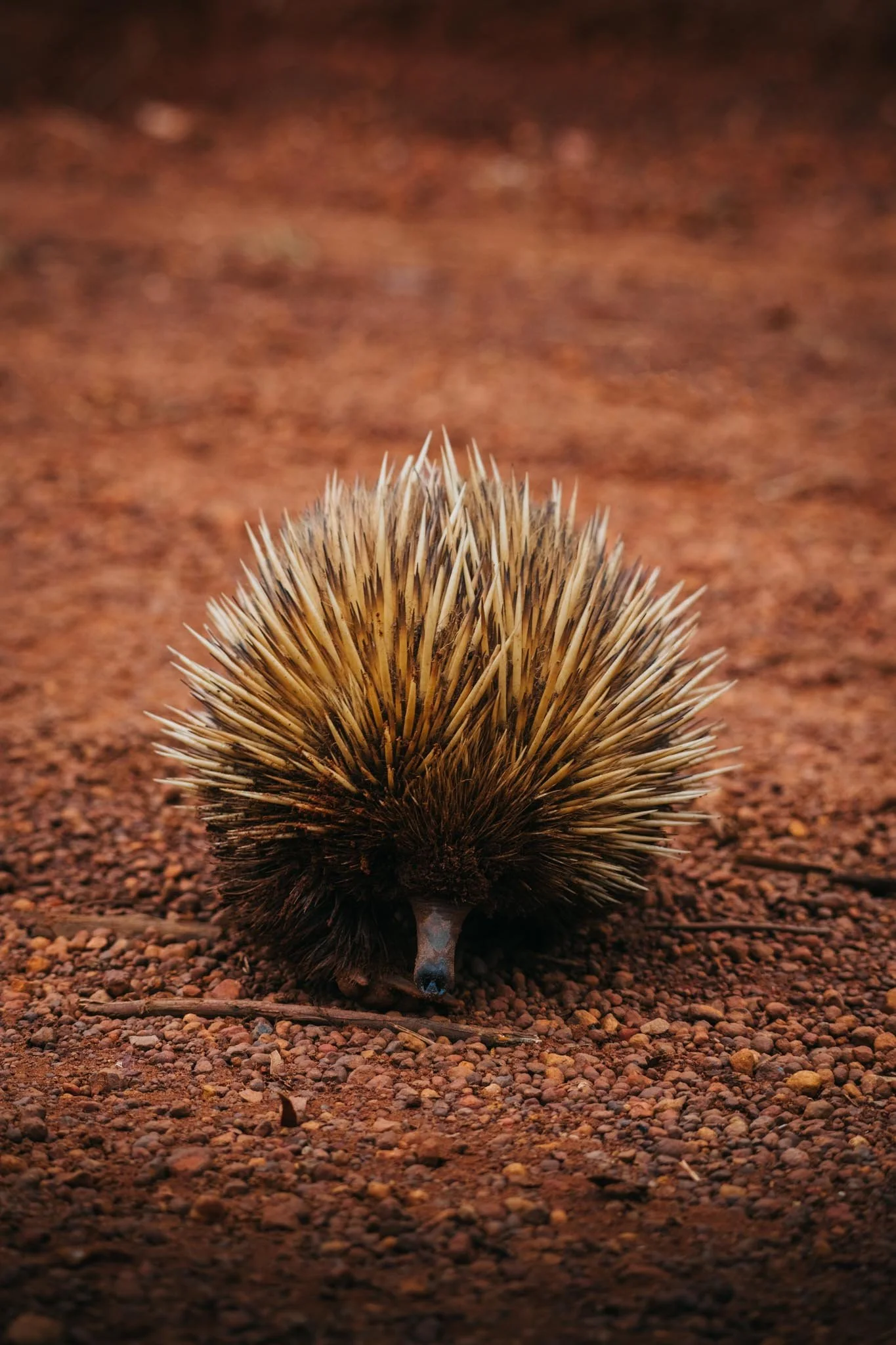
And somehow, despite all the incredible wildlife encounters, one of the things that made me happiest was finally seeing a wild echidna. I had never seen one alive in the wild before, and on Kangaroo Island, I saw several!
Before heading to the island, I flew into Adelaide and spent a day exploring the city.
Naturally, as I do in practically every city I visit, I made a beeline for the museum to see what dinosaur exhibits they had. Wildlife and marine life might be my main photographic subjects these days, but I've always had a soft spot for the prehistoric world. Apparently, no trip is complete without a dinosaur detour!
The following morning started early, with a bus ride from Adelaide's CBD to the port, followed by the ferry across to Kangaroo Island.
Our accommodation was in Stokes Bay, in a beautiful part of the island that came with an unexpected connection. The property was owned by a man who had actually known my mum back in her late teens. It's always funny how small the world can feel sometimes, especially when travelling somewhere new.
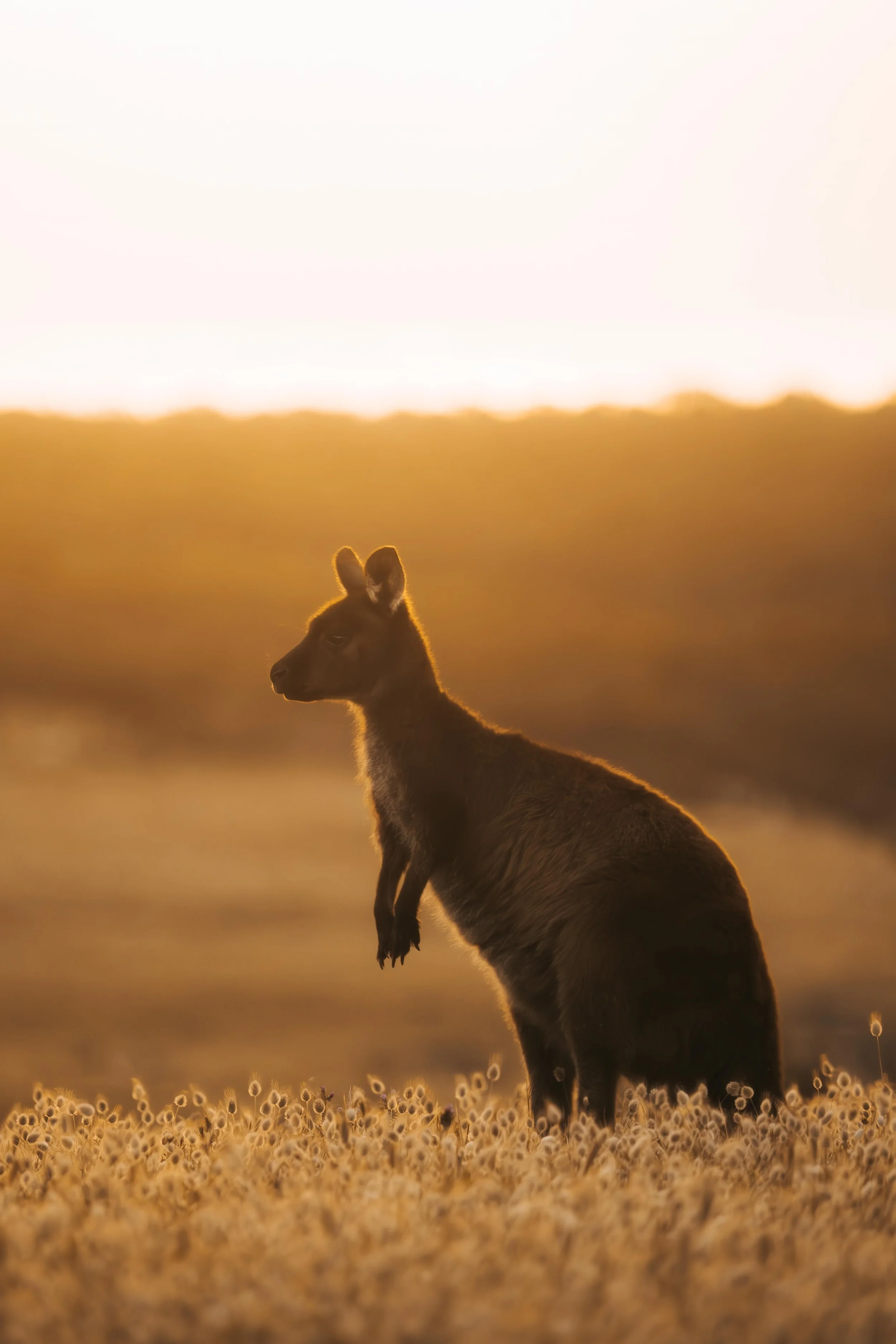
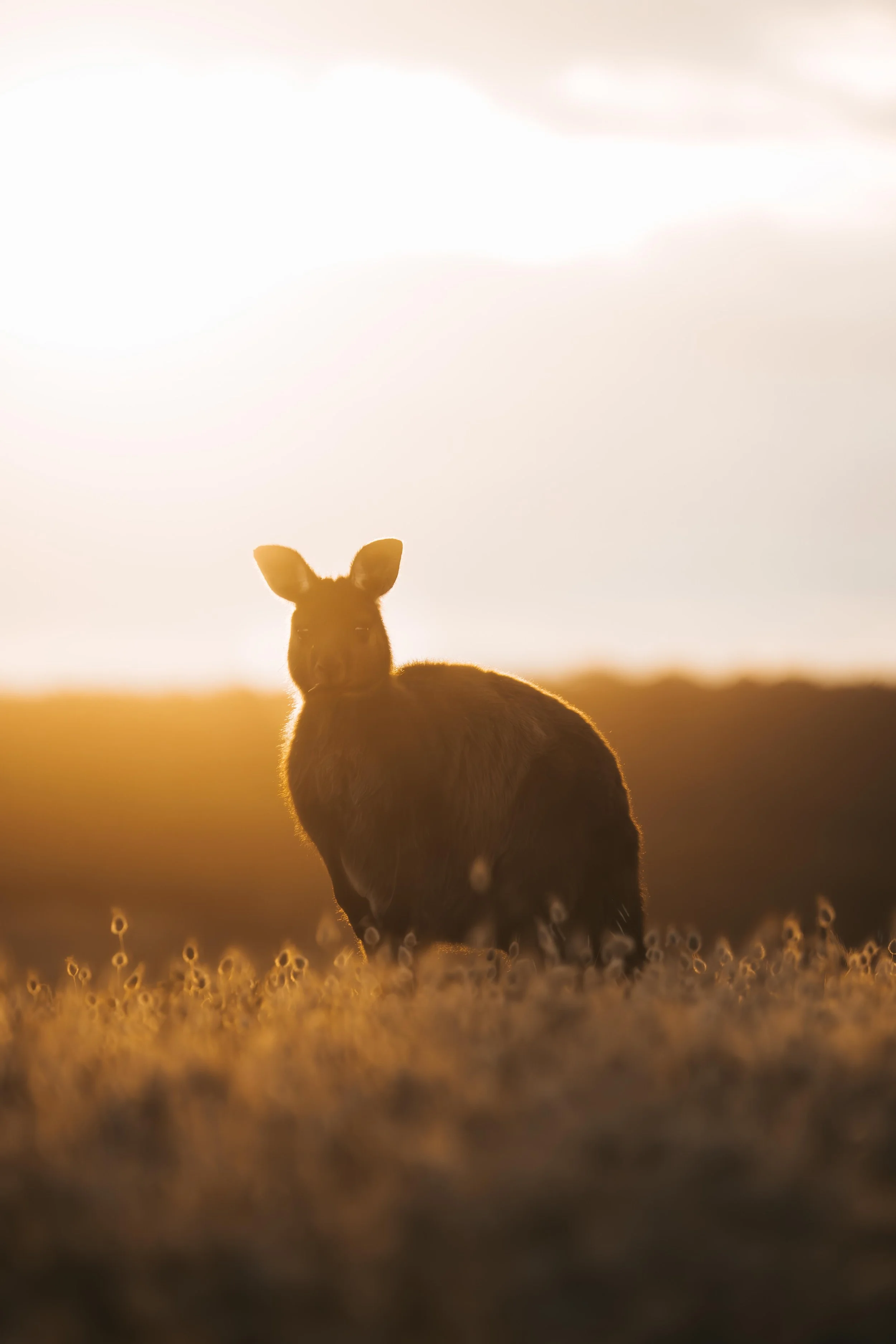
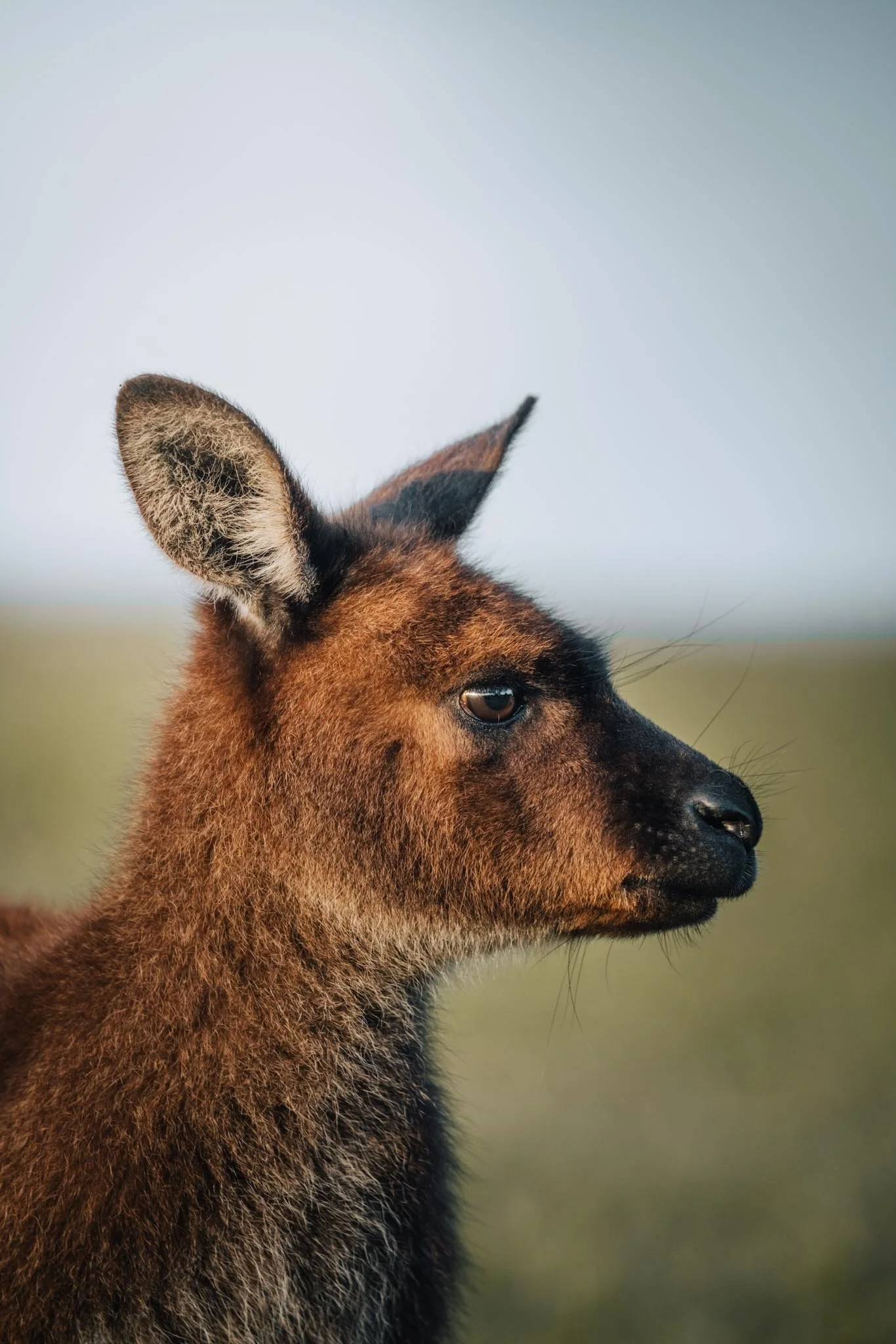
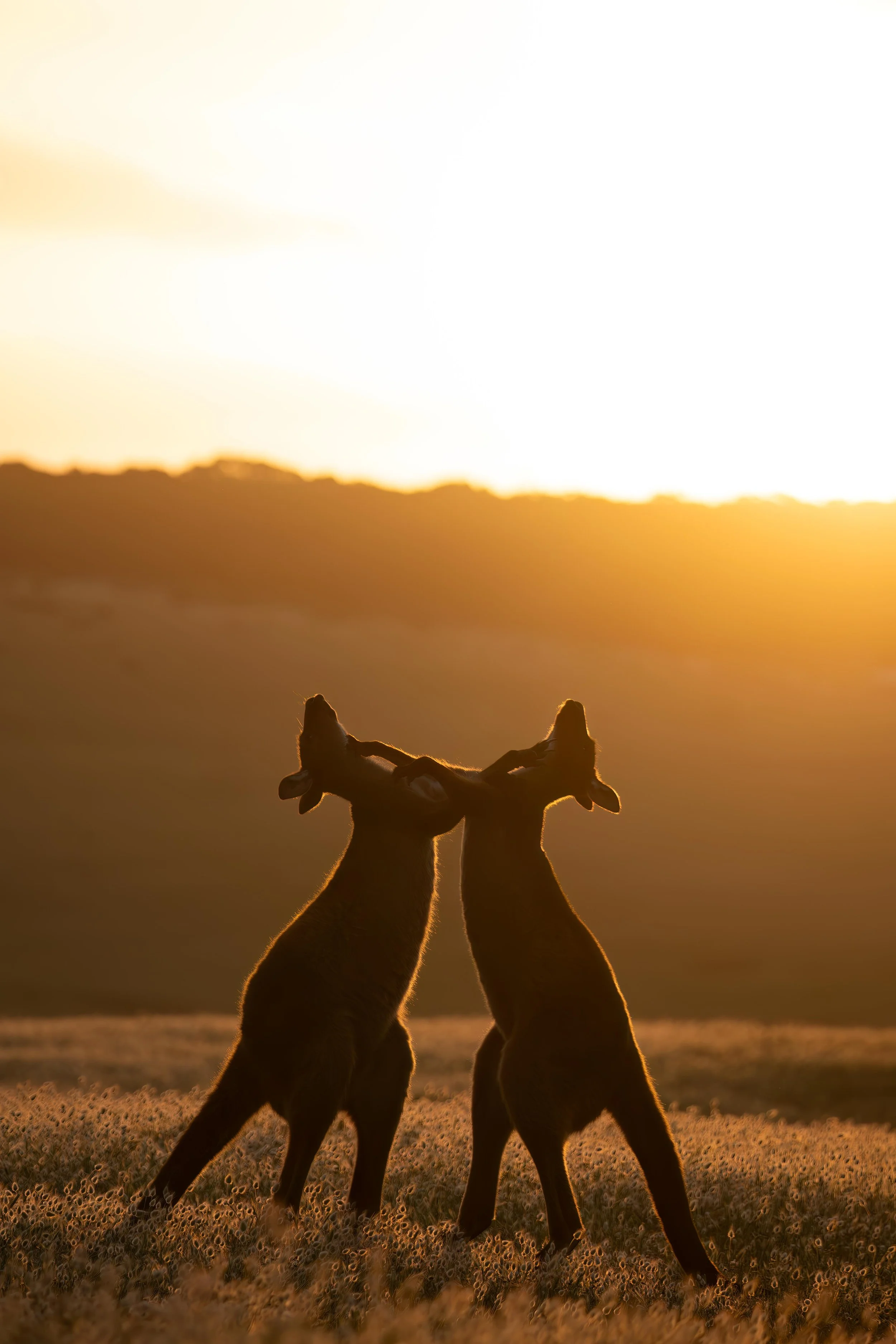
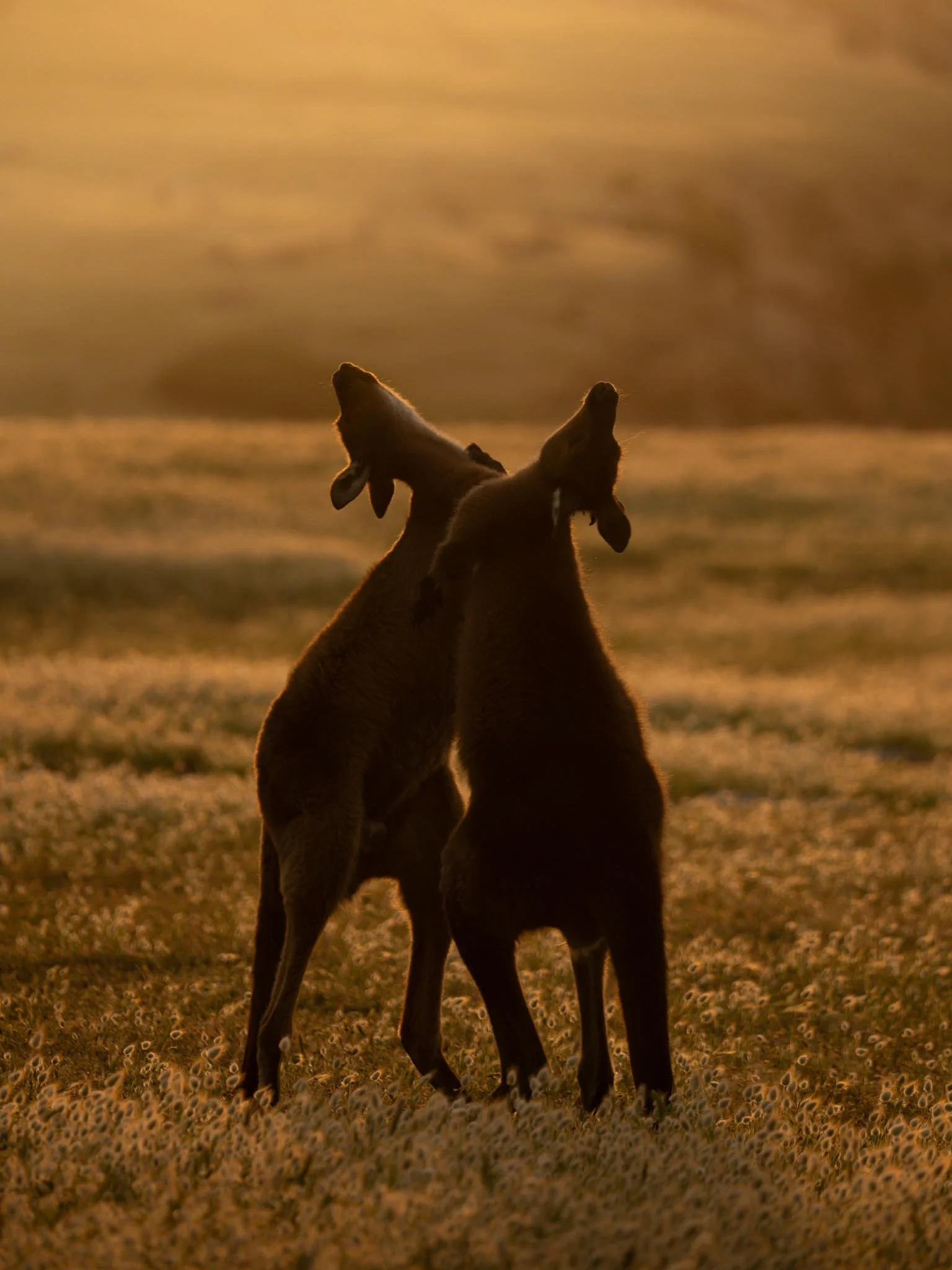
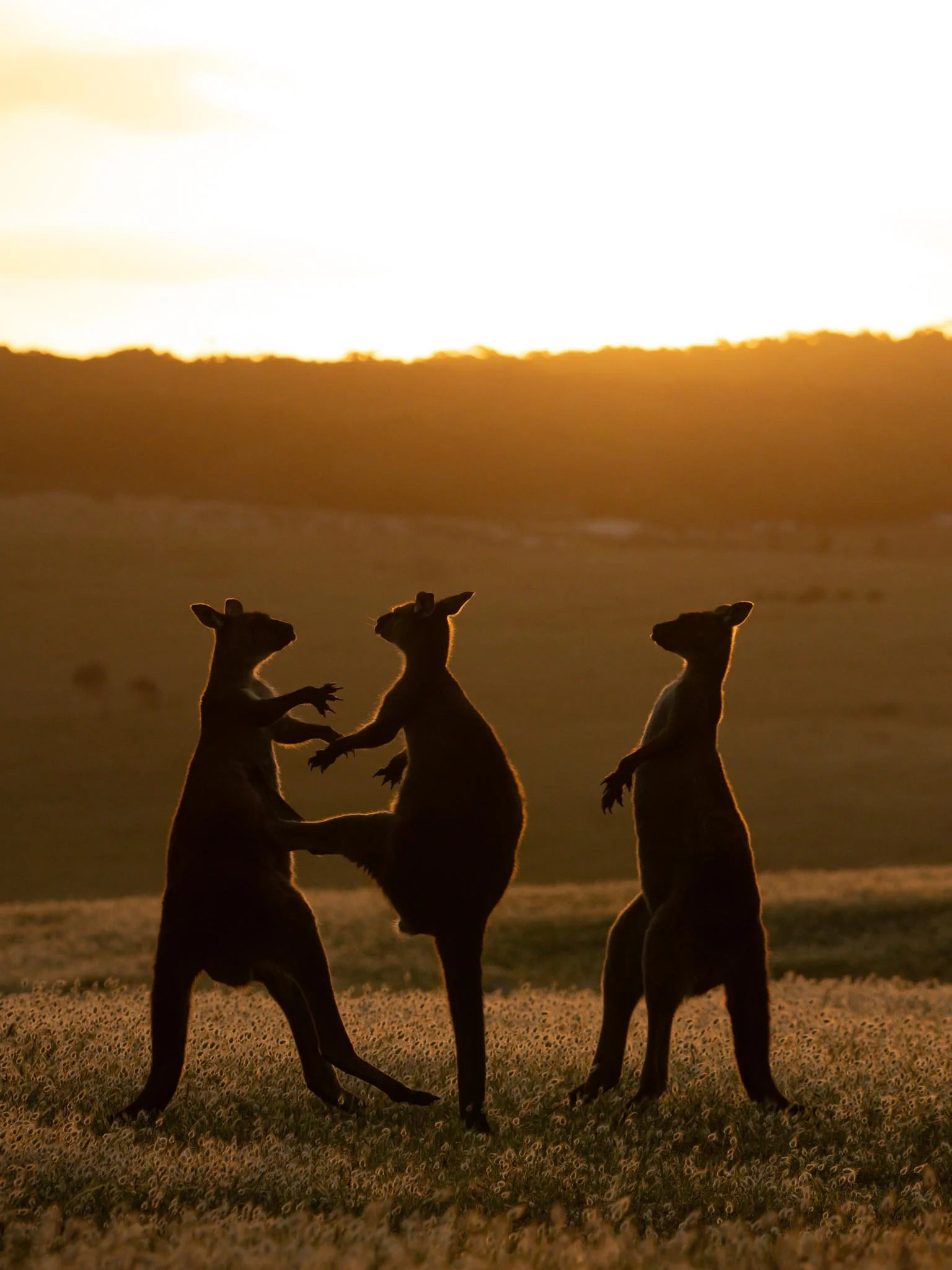
The location itself was spectacular. Watching kangaroos grazing and moving through the landscape as the sun dipped towards the horizon, painting the landscape and sky in warm golden light, was the perfect introduction to island life.
It was wild, peaceful and wonderfully Australian.
Swimming with dolphins in a cold, wild ocean
Kangaroo Island's weather has a personality of its own, the next stop south of the island is Antartica. The conditions can be rough and unpredictable, and as with any wildlife adventure, you have to be prepared to adapt when nature has other plans.
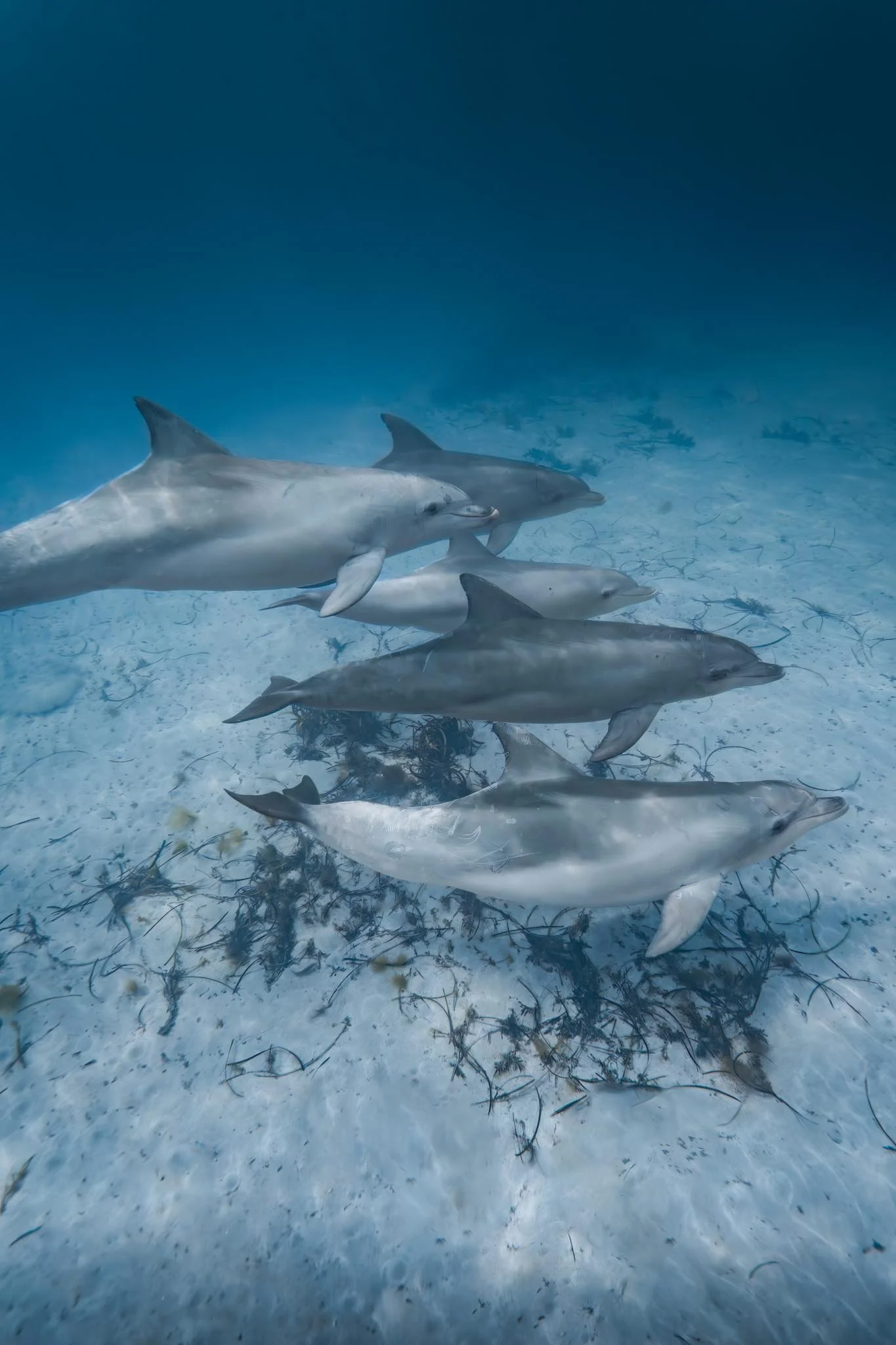
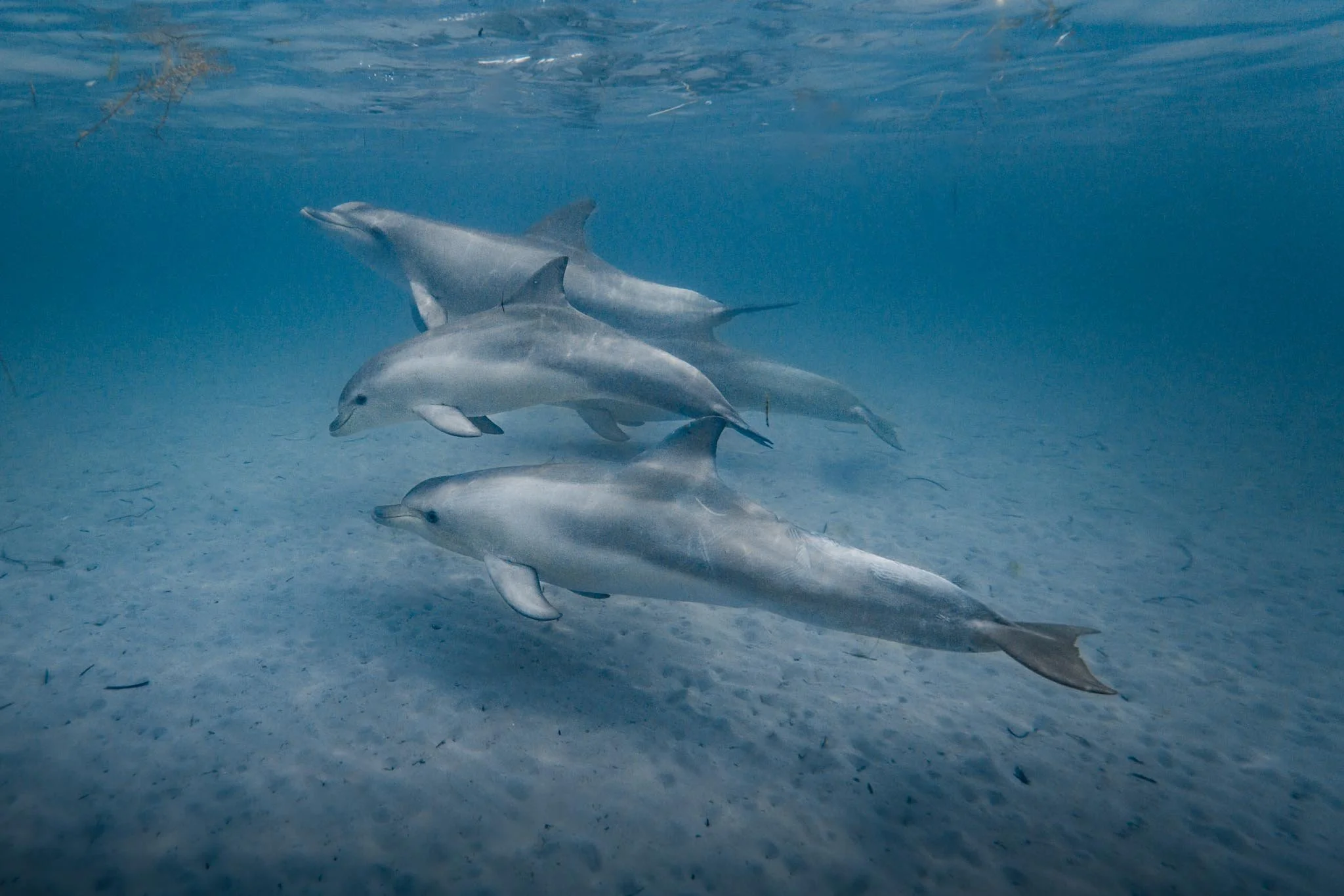
One of our first outings was a boat trip to swim with bottlenose dolphins.
Before we headed out, the operator spoke to us about the devastating effects of the algal bloom. In the past, they had been able to predict where the dolphins would be at certain times of the day with remarkable consistency. Since the bloom, sightings had become much less reliable, and there were days when they wouldn't see dolphins at all.
It was a sobering reminder that the effects of an environmental disaster extend far beyond the animals we see washed up on beaches. They can change entire ecosystems and disrupt the lives of the people who have spent years working alongside and observing that wildlife.
Fortunately, we were lucky enough to find a pod relatively close to shore.
This was my first time wearing a hooded wetsuit with gloves, and with the ocean sitting at around 15°C, I was grateful for every bit of neoprene! It was a very different experience from swimming in the warmer tropical waters I'm more accustomed to.
Our interactions with the dolphins were brief, but that almost made them feel more special. Getting into the water and seeing them swimming nearby in the shallows was magical. There is something extraordinary about sharing the ocean with a wild animal, even if only for a few fleeting moments.
You don't need a long encounter to appreciate just how special it is.
A sunrise at Remarkable Rocks
The next morning began at 4 am.
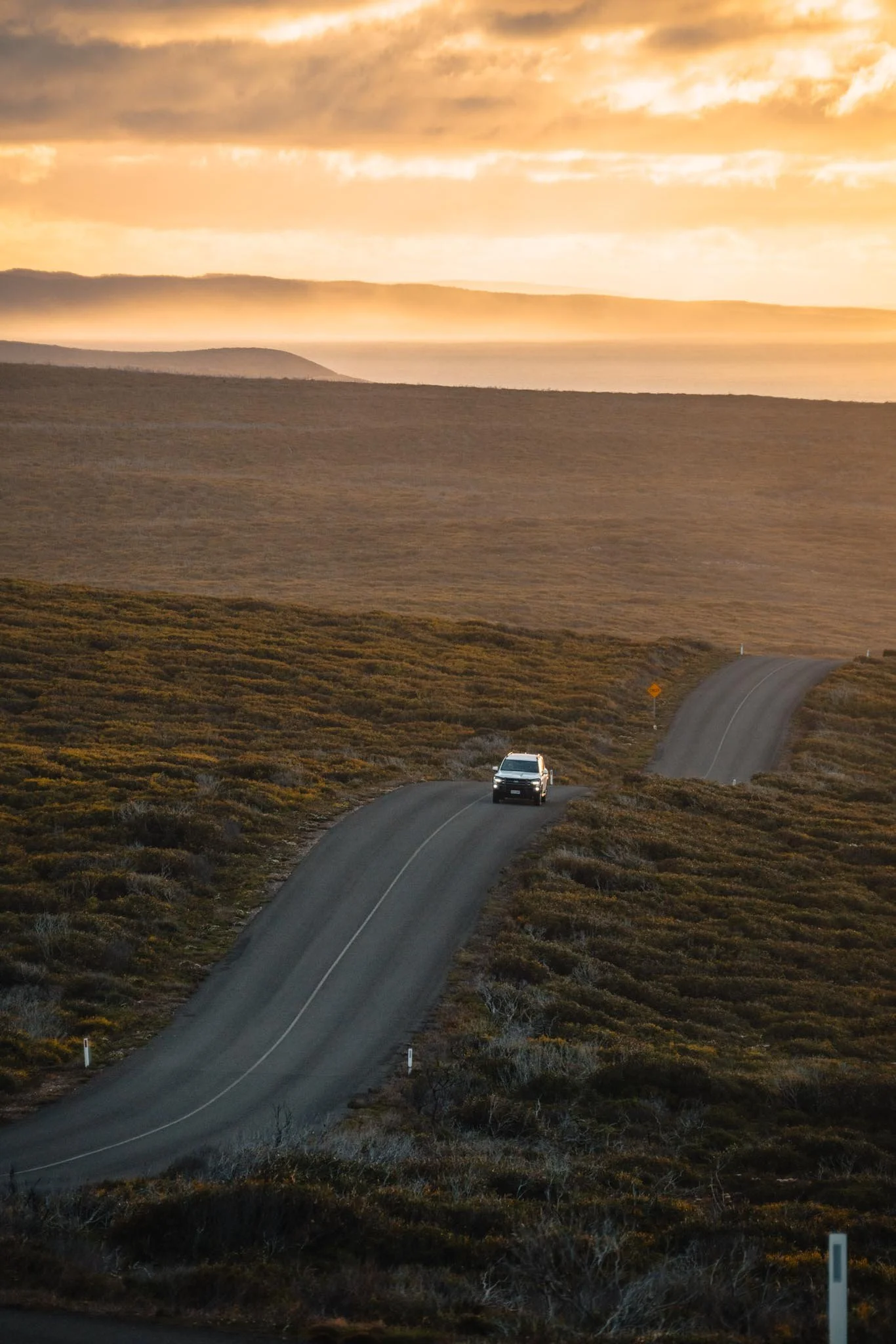
We had a two-hour drive ahead of us to reach Flinders Chase National Park in time for sunrise, and on Kangaroo Island, driving in the dark requires a little extra patience. Wildlife is everywhere, so we took it slowly, keeping a close eye on the road and the animals that might cross our path.
Flinders Chase was one of the areas devastated by the 2019 bushfires, which burned enormous areas of the island and killed countless animals. As we drove through the park, I couldn't help thinking about the photographs and footage I had seen of the fires and the devastation they left behind.
It was hard to reconcile those images with the landscape around us.
Nature can be incredibly cruel, but it can also be remarkably resilient. Seeing the vegetation returning and the landscape recovering was a powerful reminder of that resilience. Recovery takes time, and the effects of a disaster don't simply disappear when the flames are gone, but there was something genuinely moving about seeing life return to a place that had suffered so much.
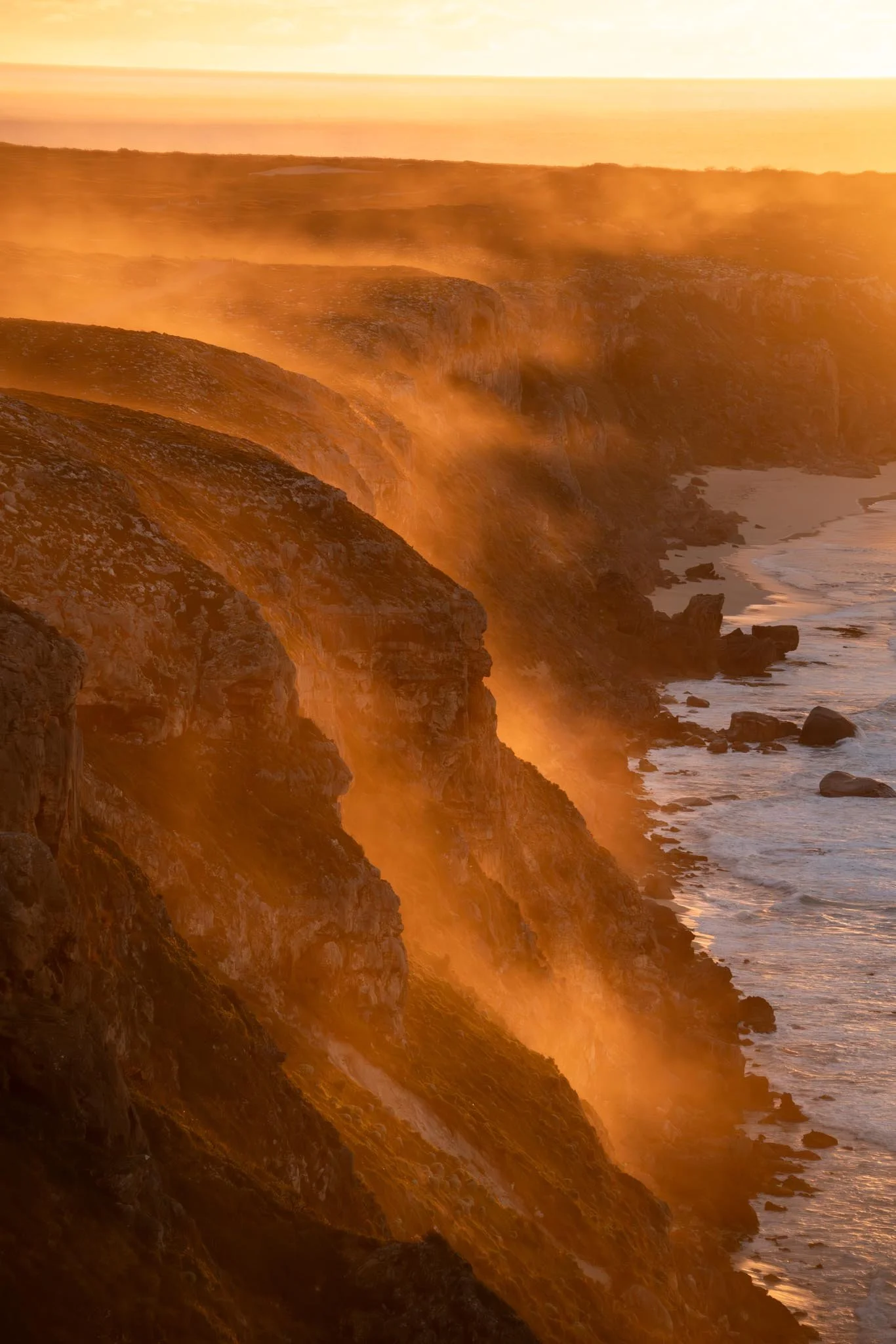
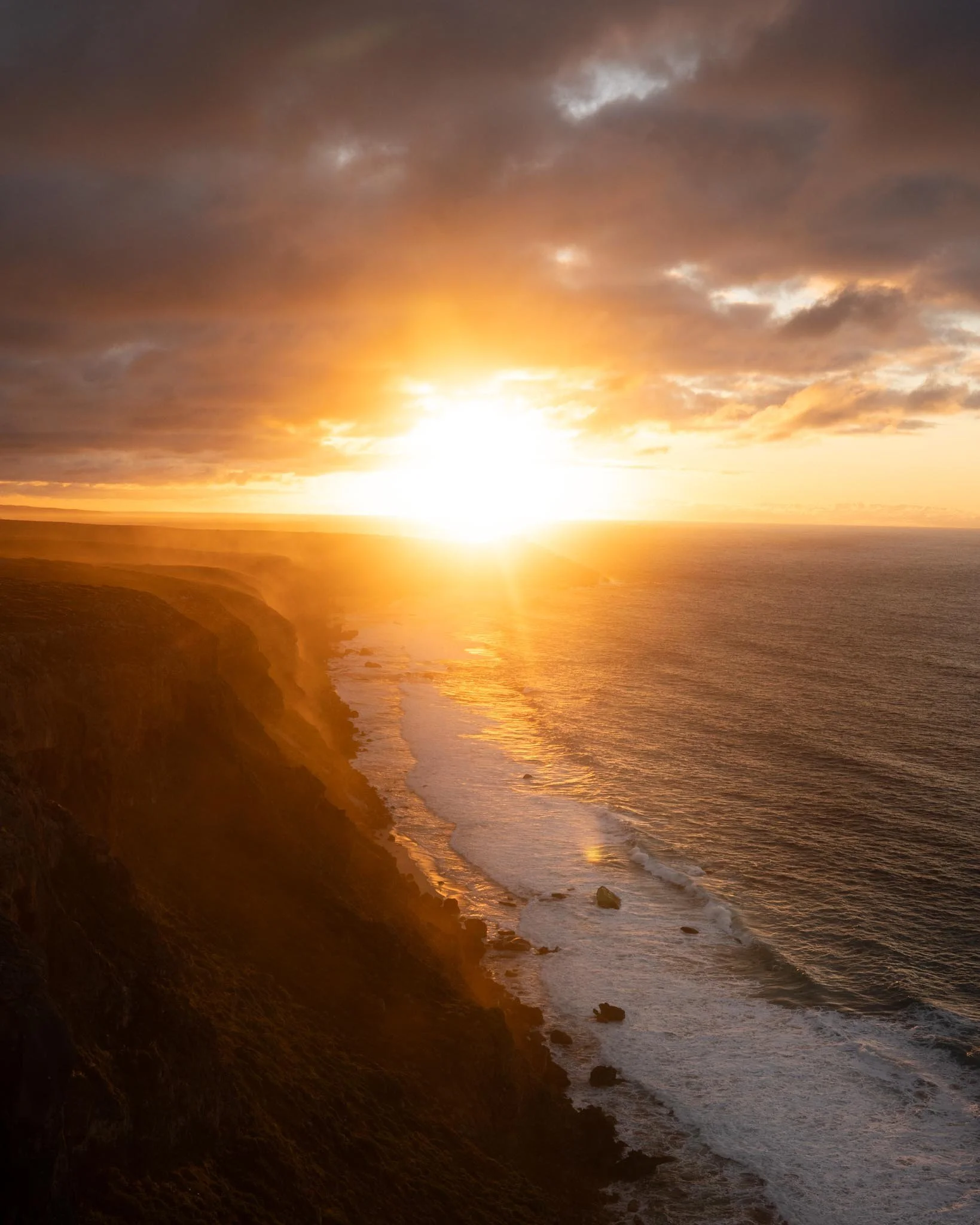
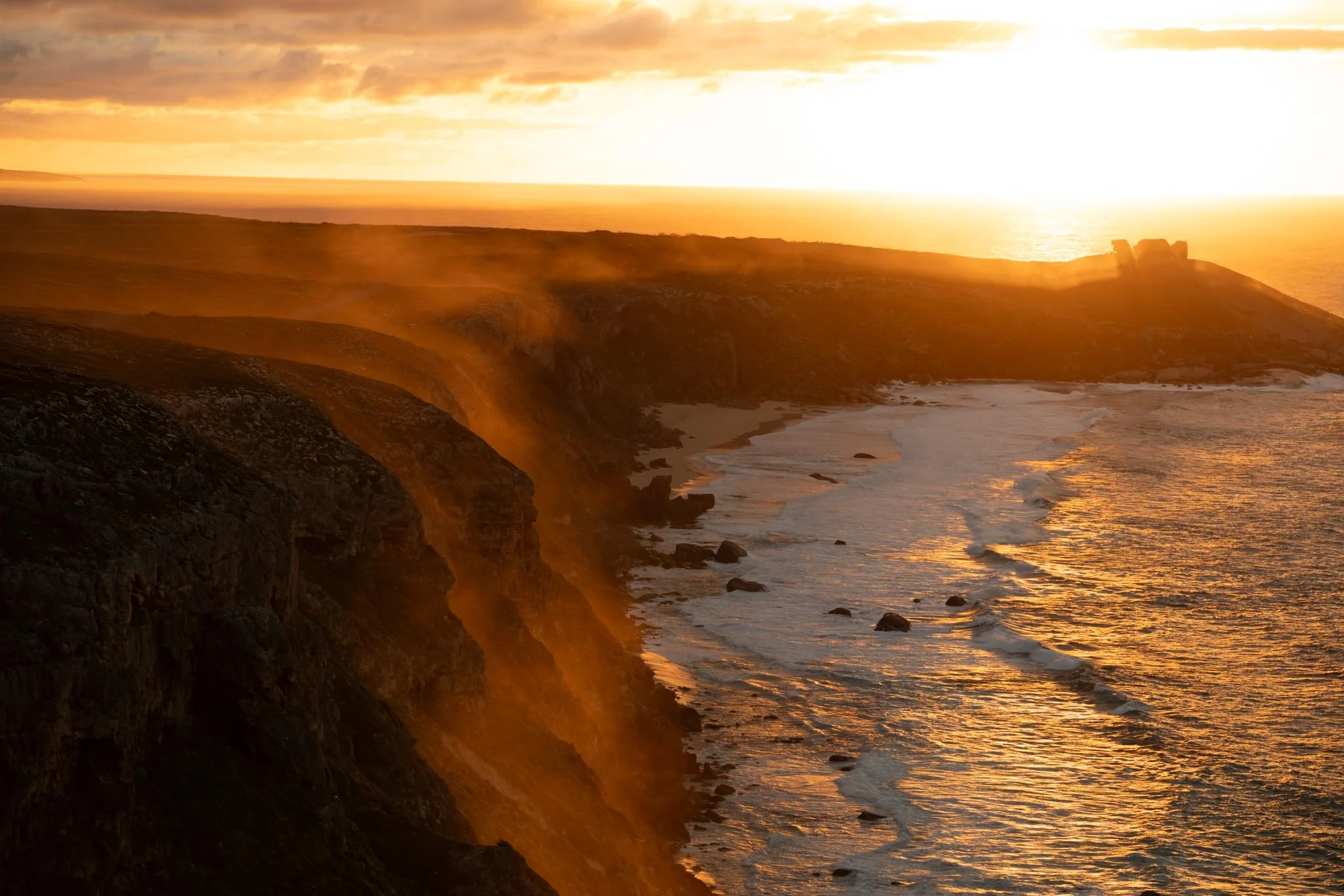
We arrived at a lookout near Remarkable Rocks just in time for sunrise.
And what a sunrise it was.
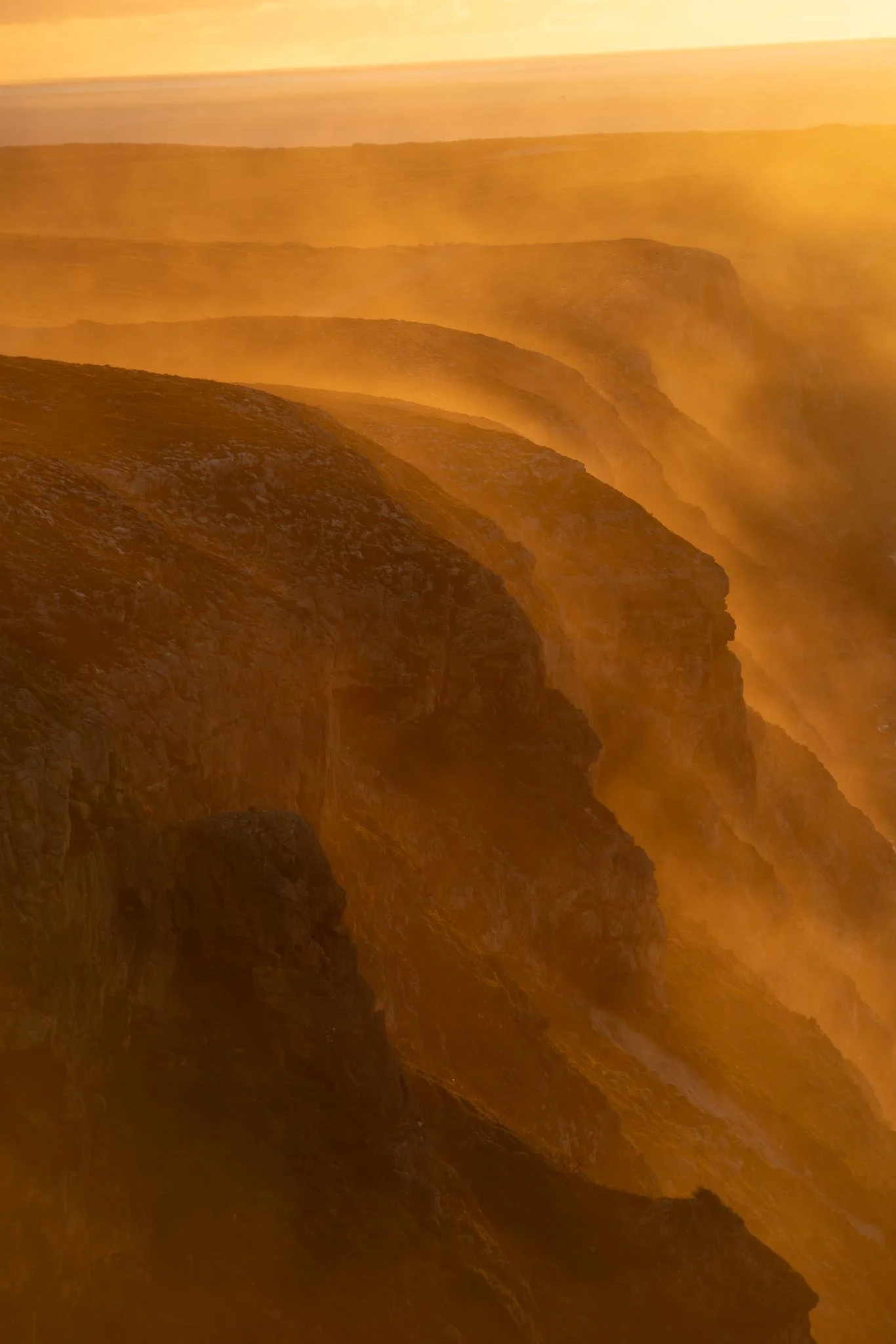
Golden light spilled across the cliffs, illuminating the rugged coastline while the sea spray glittered in the morning sun. The ocean stretched endlessly into the distance, and for a few moments, everything seemed to glow.
It was easily one of the most beautiful sunrises I've ever witnessed.
As a photographer, I'm always chasing light, but there are moments when you almost forget about the camera because the experience itself is enough. This was one of those moments.
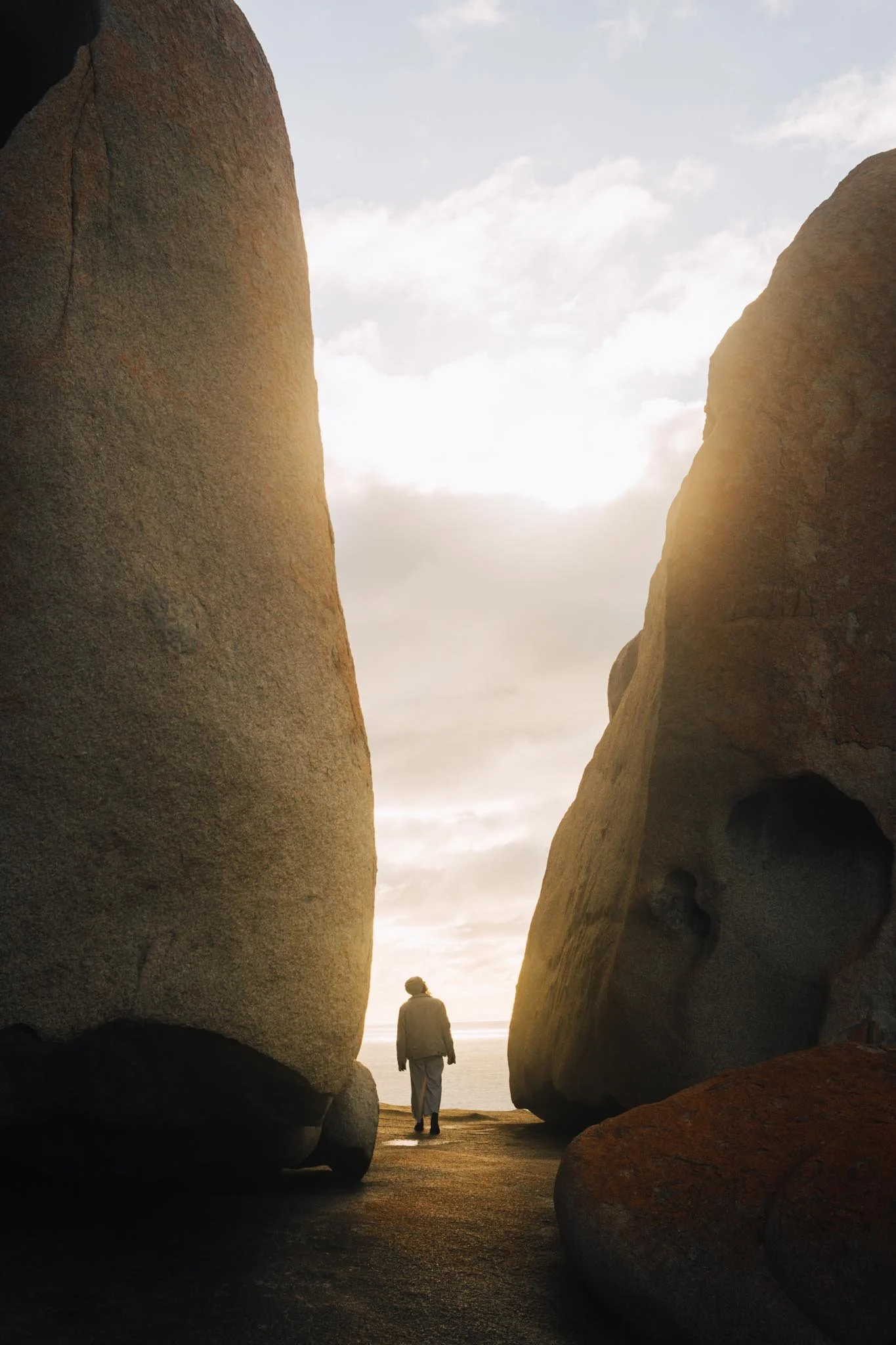
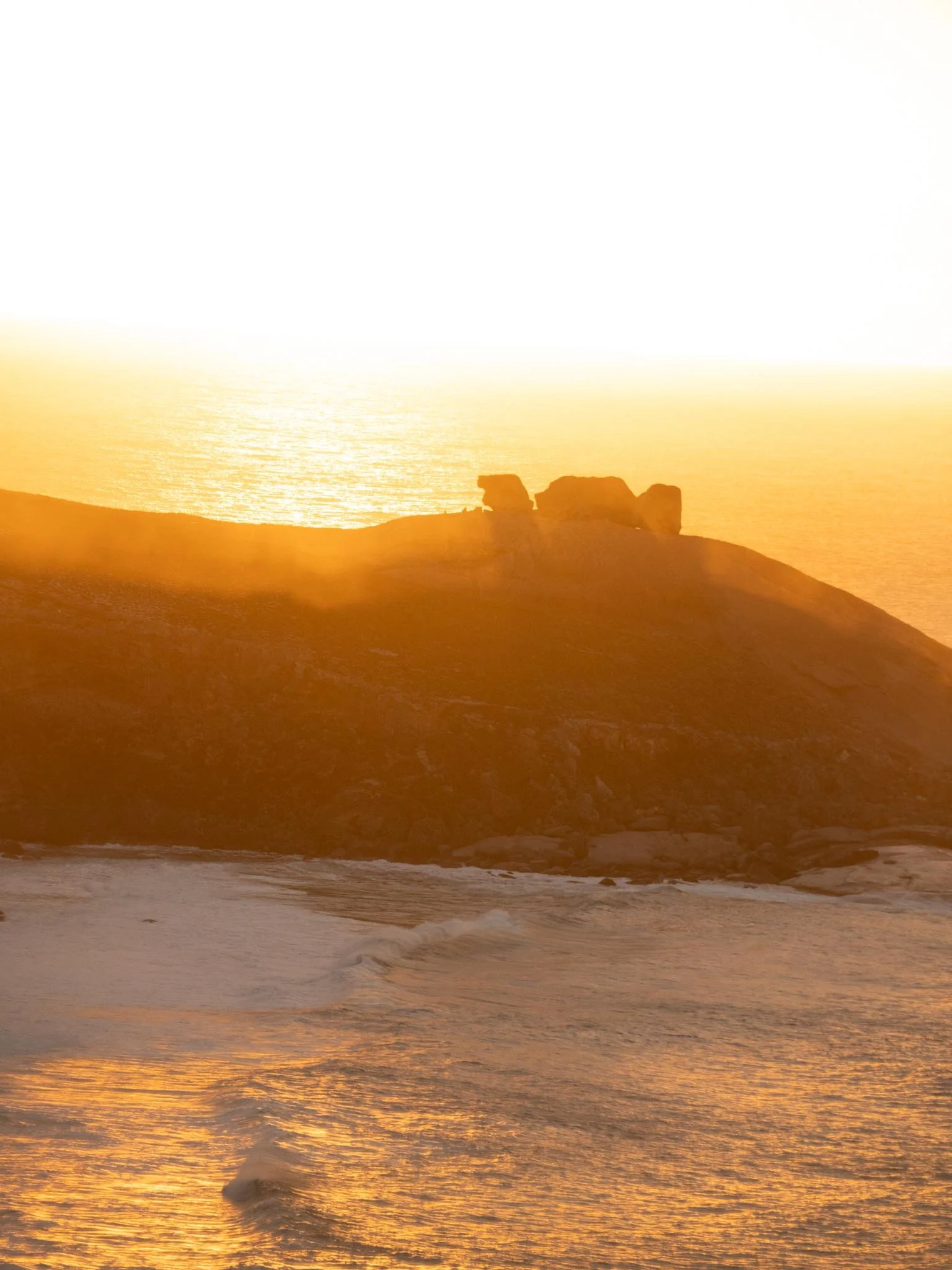
After soaking it all in, we explored the famous Remarkable Rocks, with their enormous, weather-sculpted granite formations perched above the Southern Ocean. From there, we continued to Admirals Arch to watch the New Zealand fur seal colony.
Watching the seals resting and moving around the rocky coastline was another reminder of just how much wildlife calls this rugged island home.
Cuddle puddles at Seal Bay
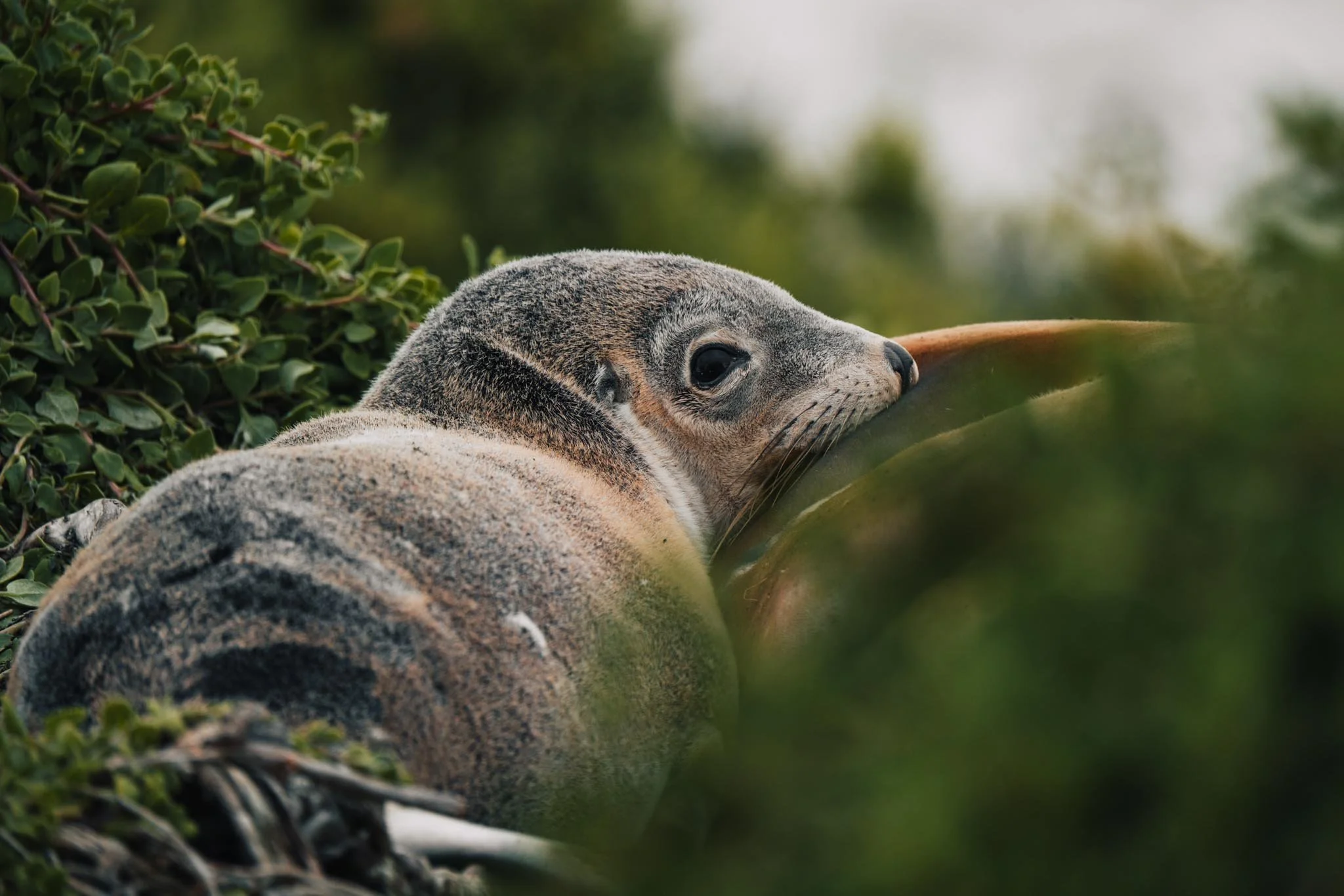
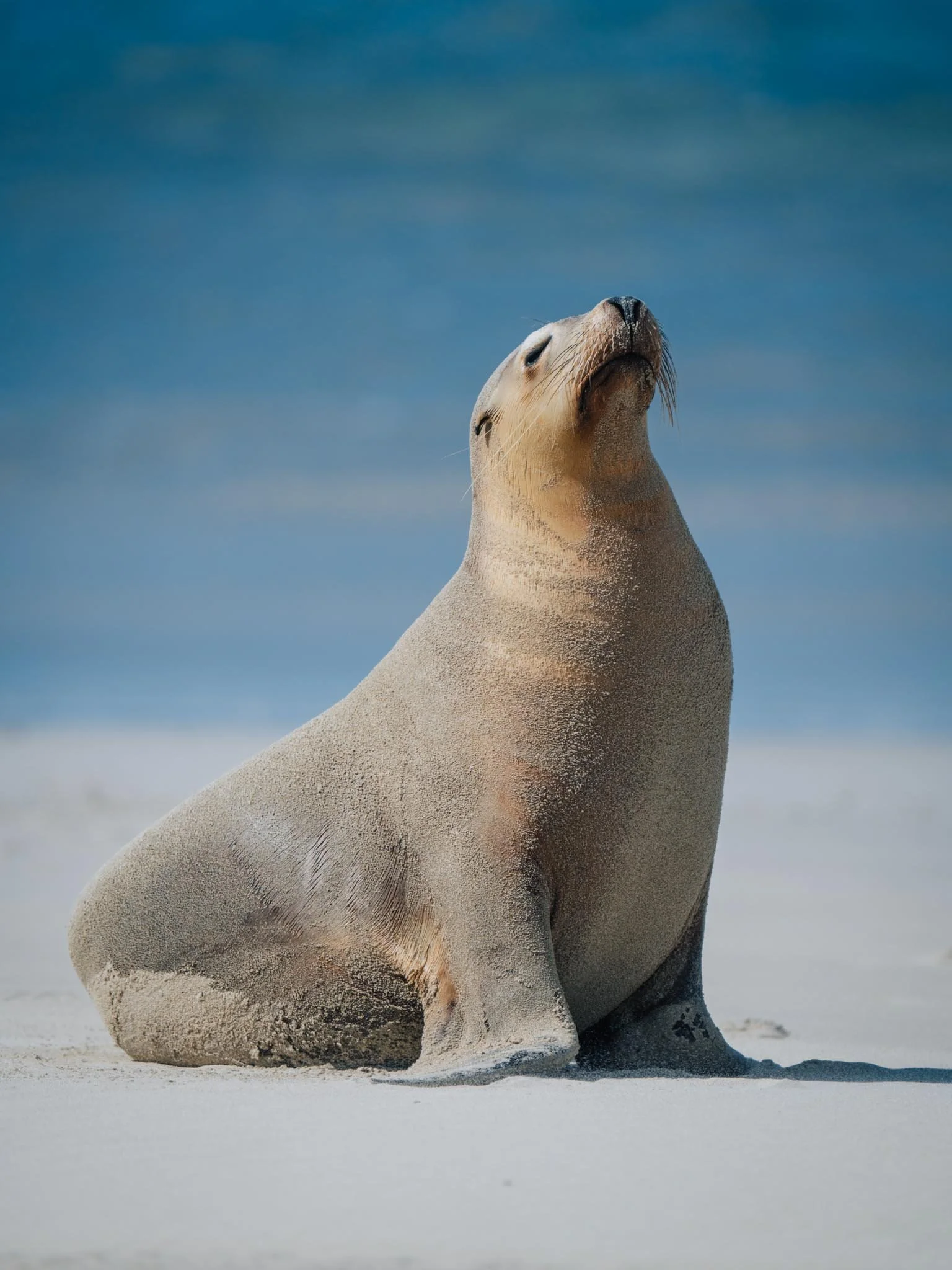
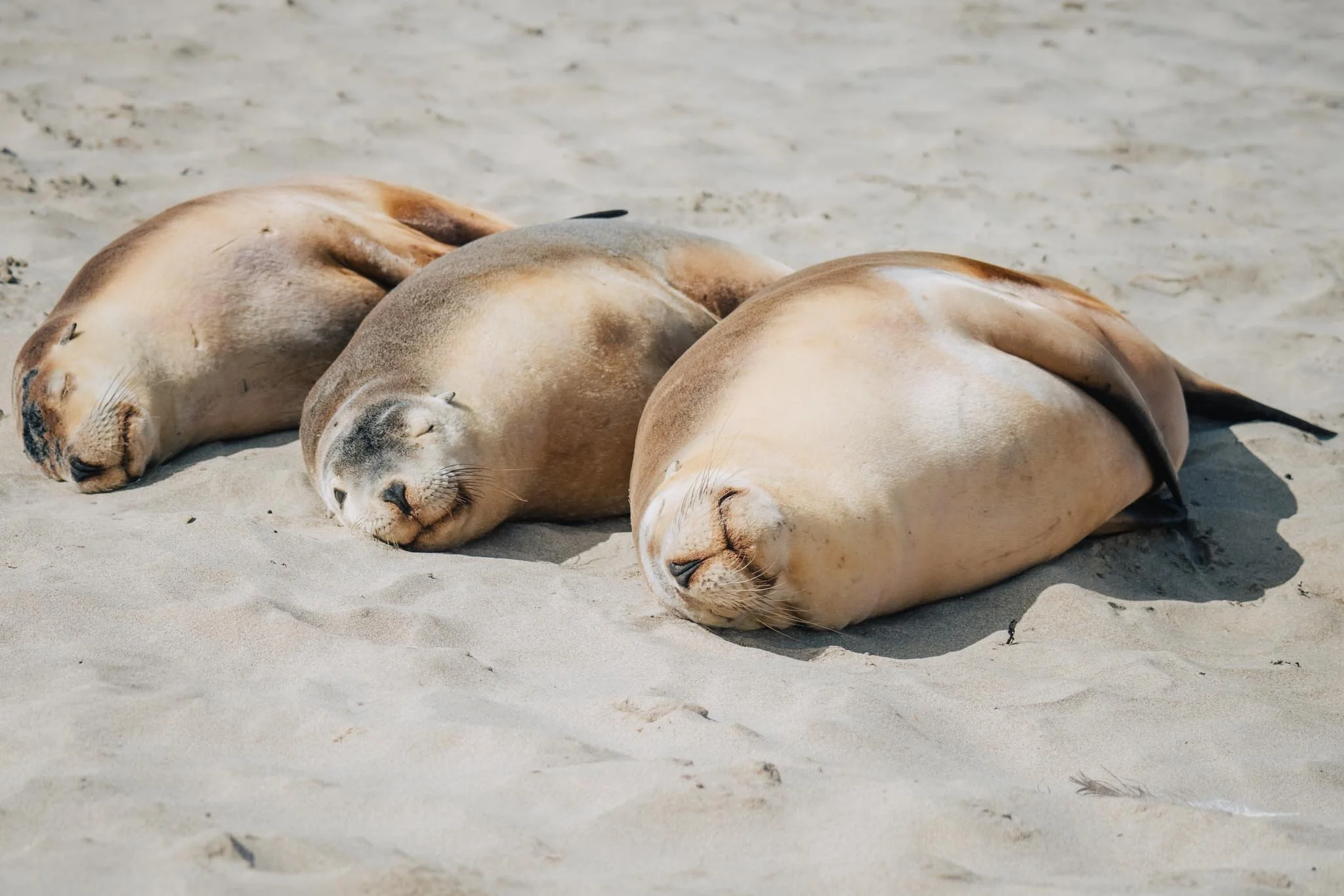
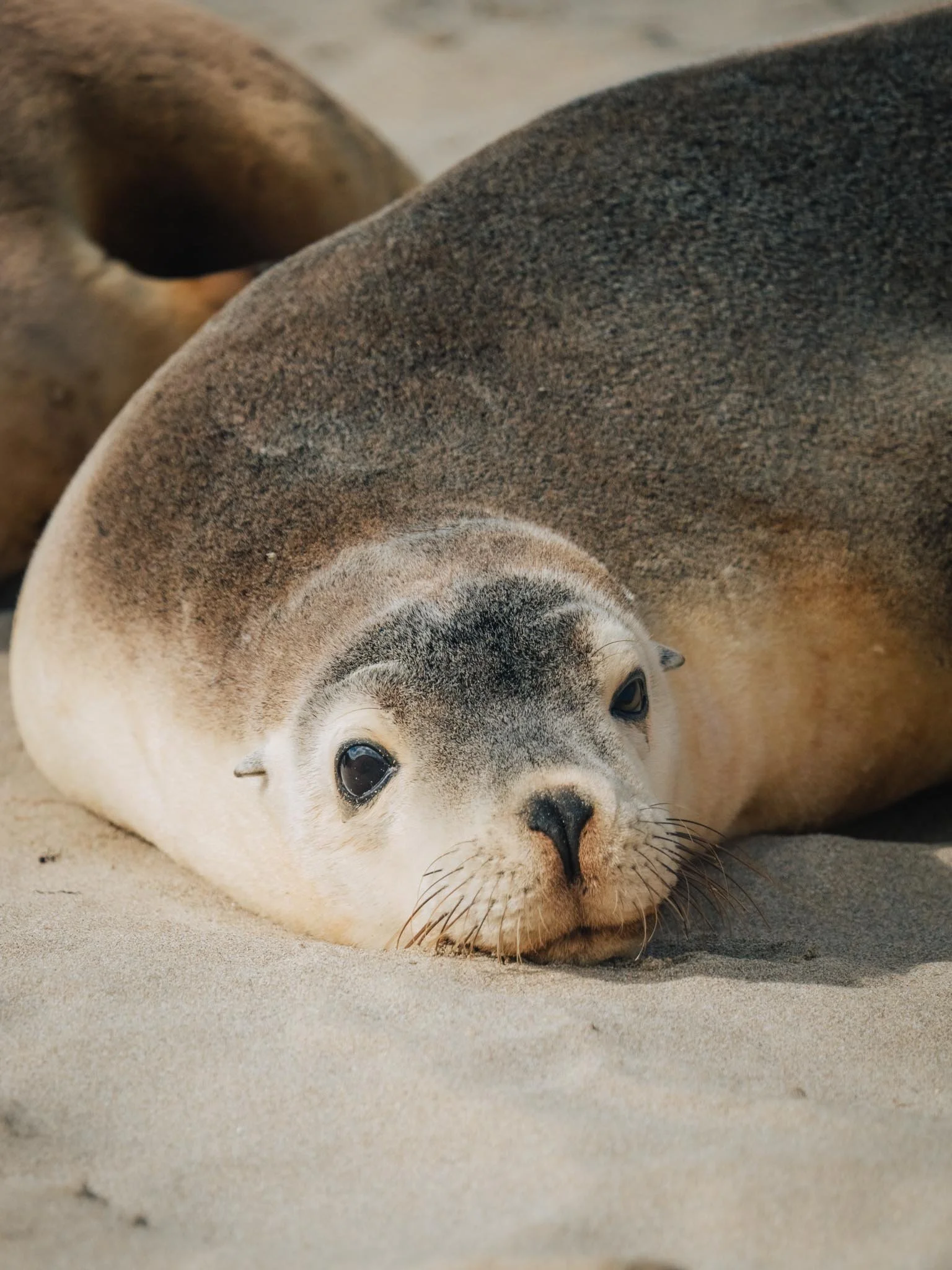
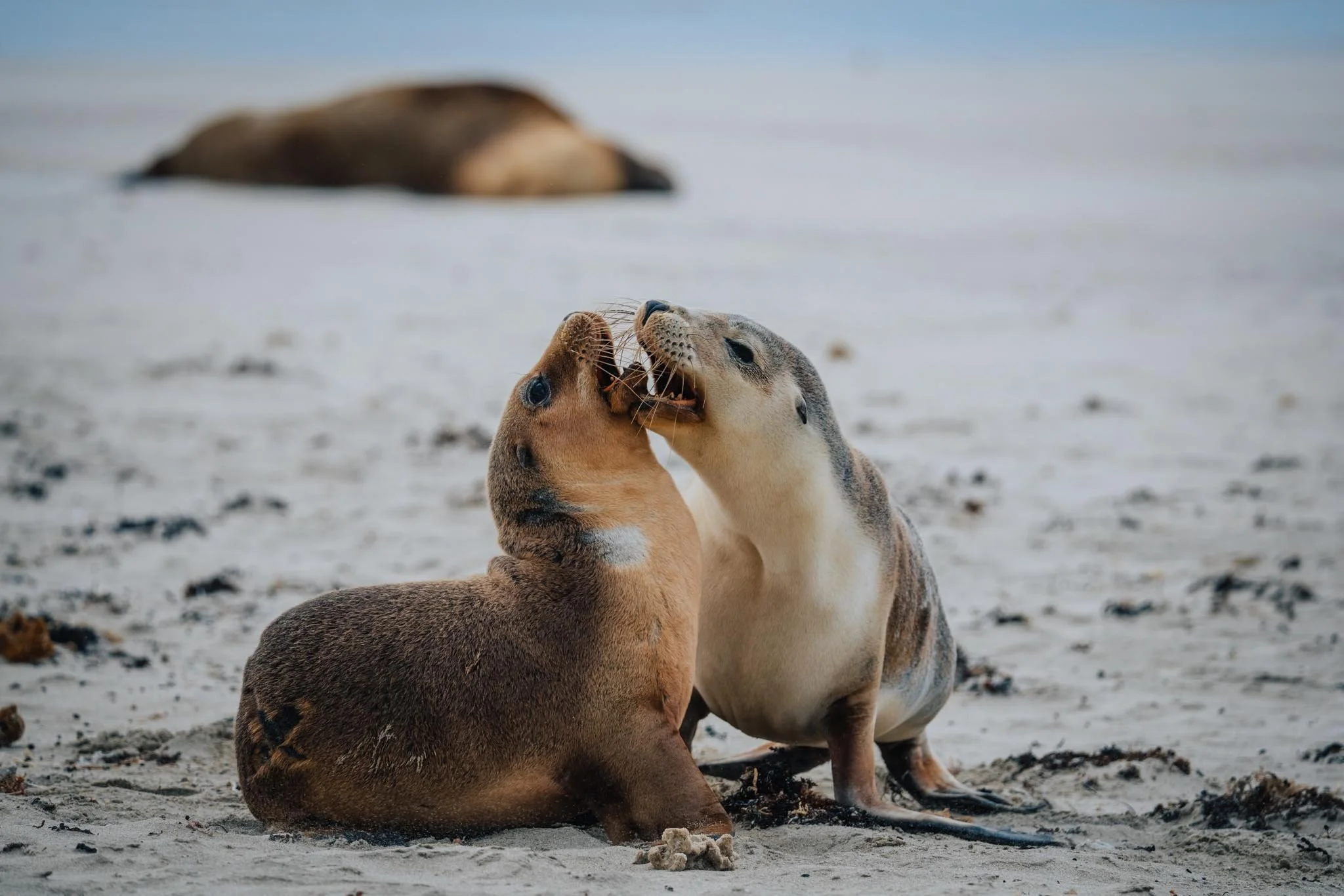
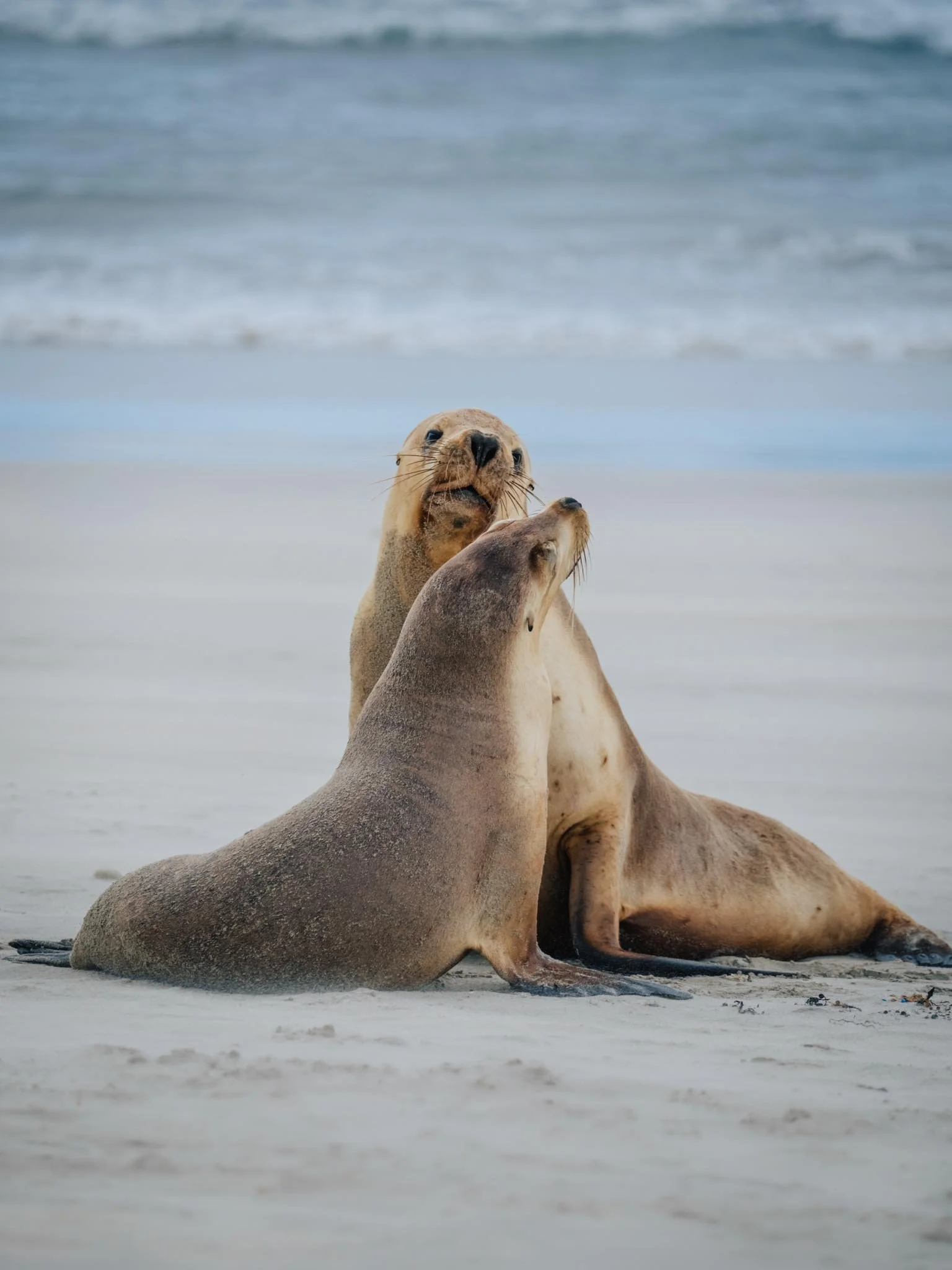
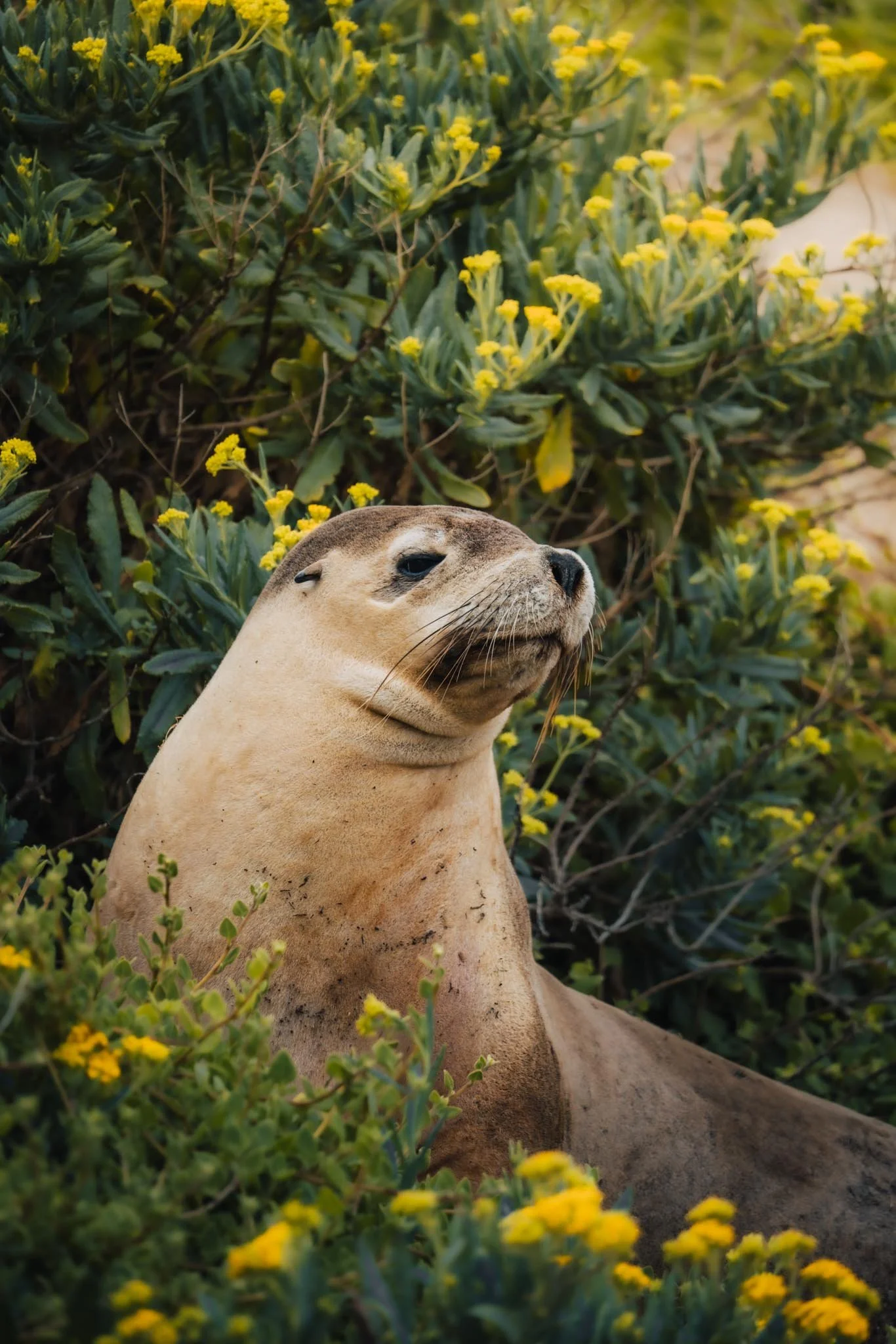
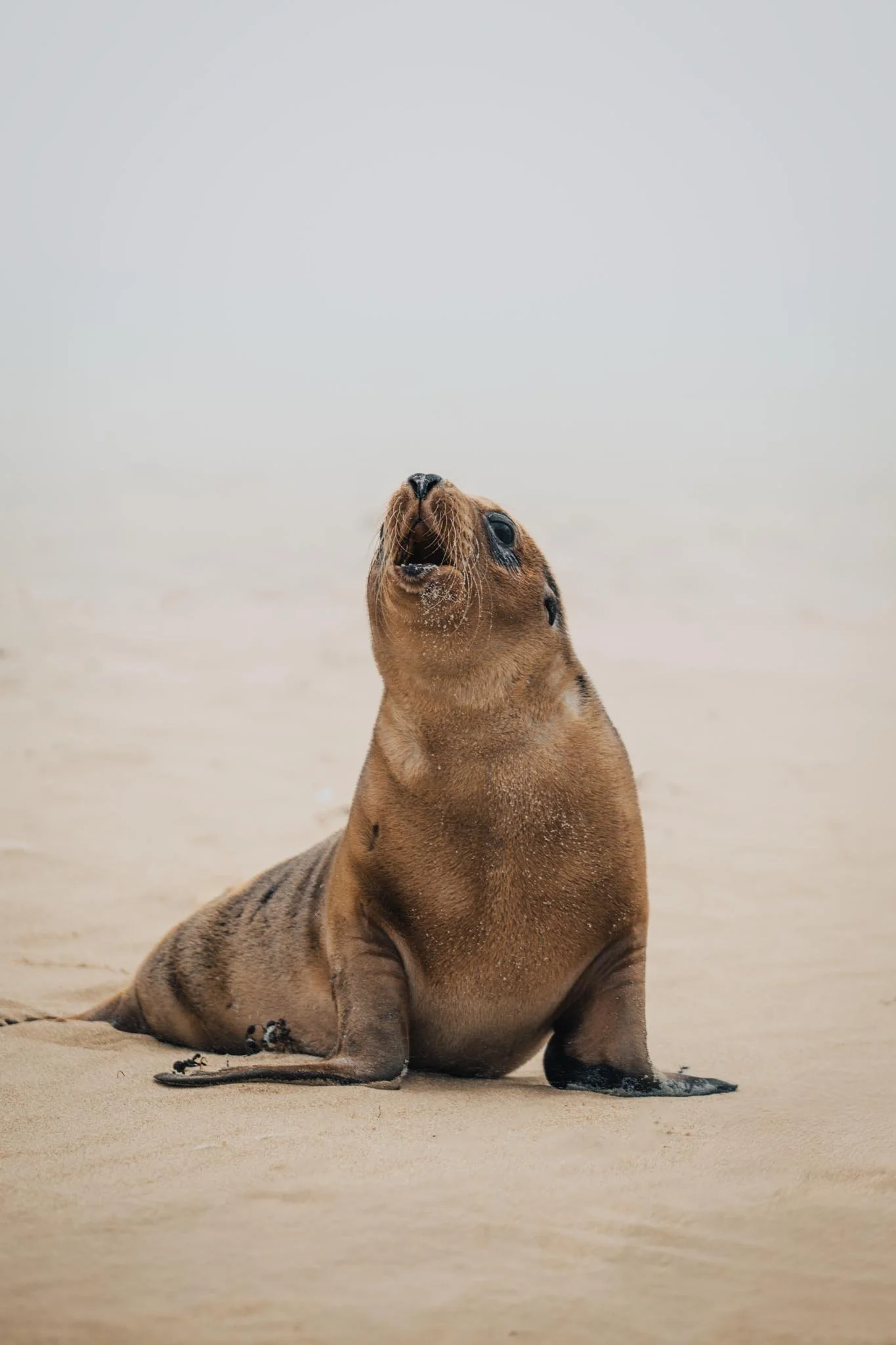
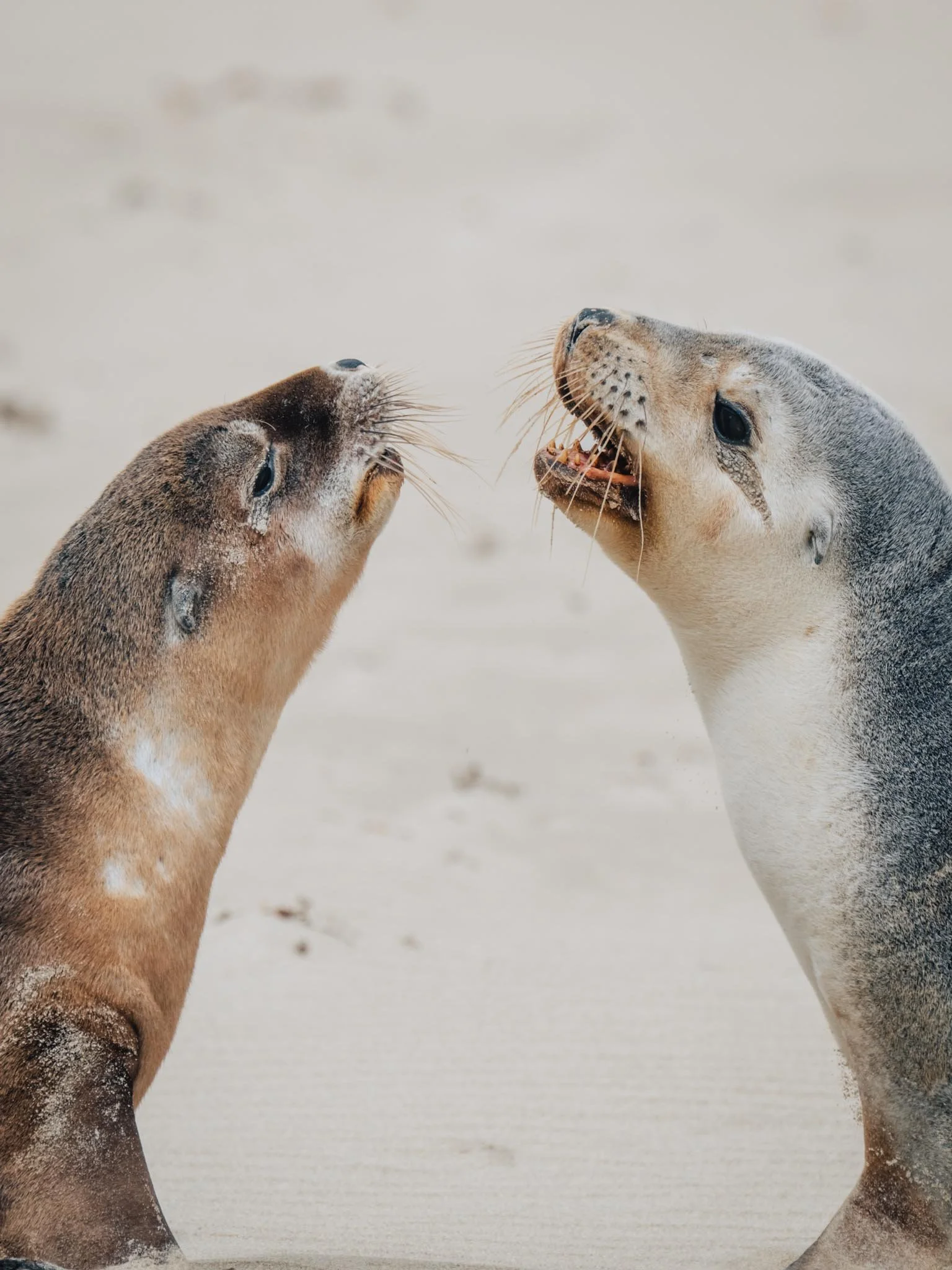
No wildlife trip to Kangaroo Island would be complete without visiting Seal Bay to see the Australian sea lions.
The colony was wonderful to watch. The pups were playful and full of personality, and I could have spent hours observing their antics.
One of my favourite sights was what we started calling the cuddle puddles: groups of seals piled together on the sand, basking in the sunshine and warming up after spending time in the cold ocean.
There is something incredibly endearing about watching wildlife simply going about its day. No performance, no interaction staged for visitors, just animals being animals.
But alongside all the adorable moments, we also learnt more about how the algal bloom had affected the colony. Many individuals were reportedly thinner than in previous years, and pup deaths had increased.
It was heartbreaking to hear.
When we think about environmental disasters, it's easy to focus on the animals directly affected by them. But events like this can have far-reaching consequences for entire food webs. Marine predators depend on healthy oceans and abundant prey, and when the balance is disrupted, the consequences can ripple through a whole ecosystem.
For many of us, the ocean is somewhere we visit occasionally for a swim, a dive or a holiday. We don't necessarily see what is happening beneath the surface or understand how much marine wildlife depends on it.
Being there, listening to people who work with these animals and seeing the coastline for myself made the impact feel much more real.
It was a reminder that what happens in the ocean doesn't stay in the ocean. The health of marine ecosystems affects the animals that depend on them, the communities that work alongside them and the natural places we all love to visit.
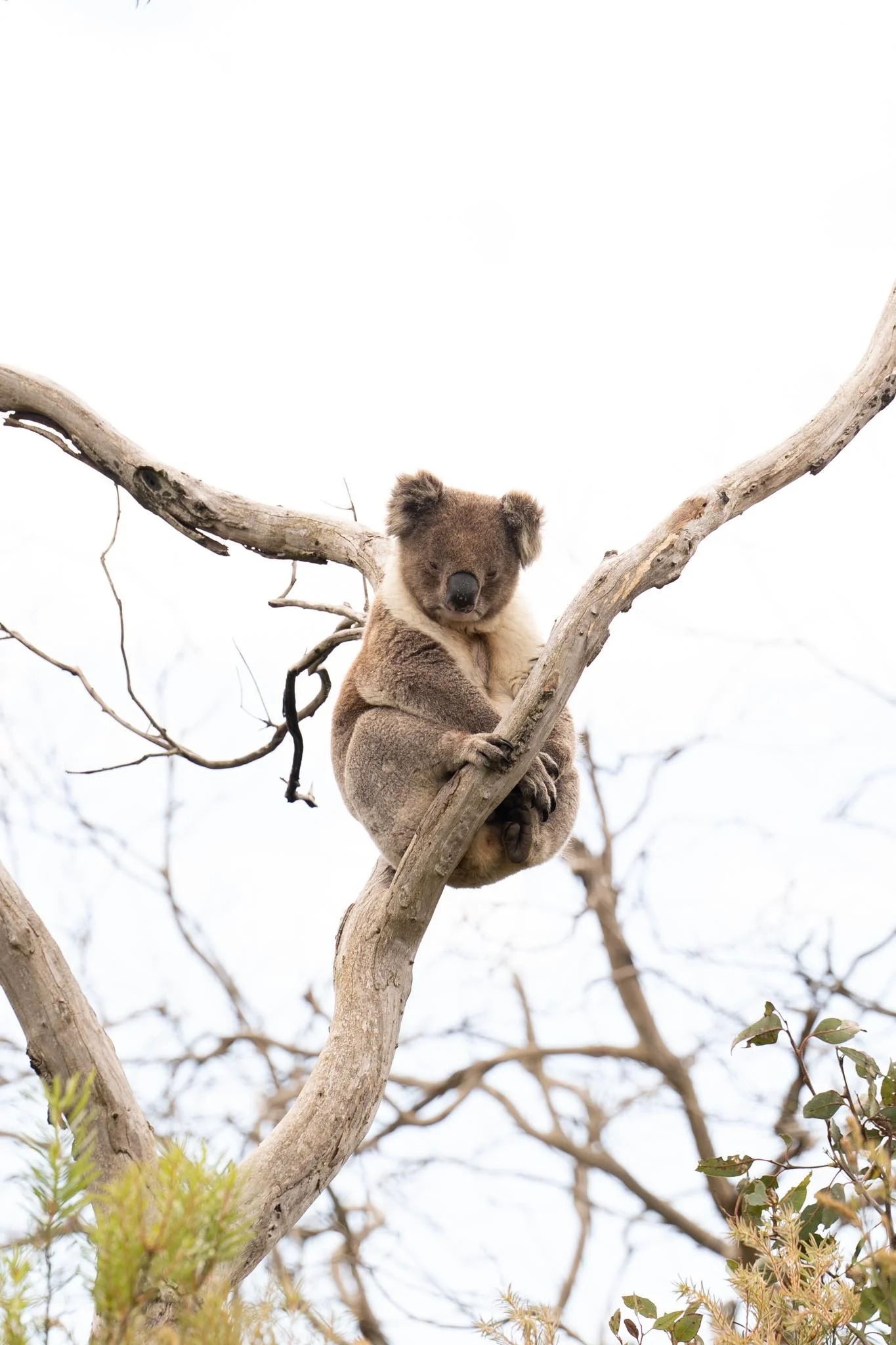
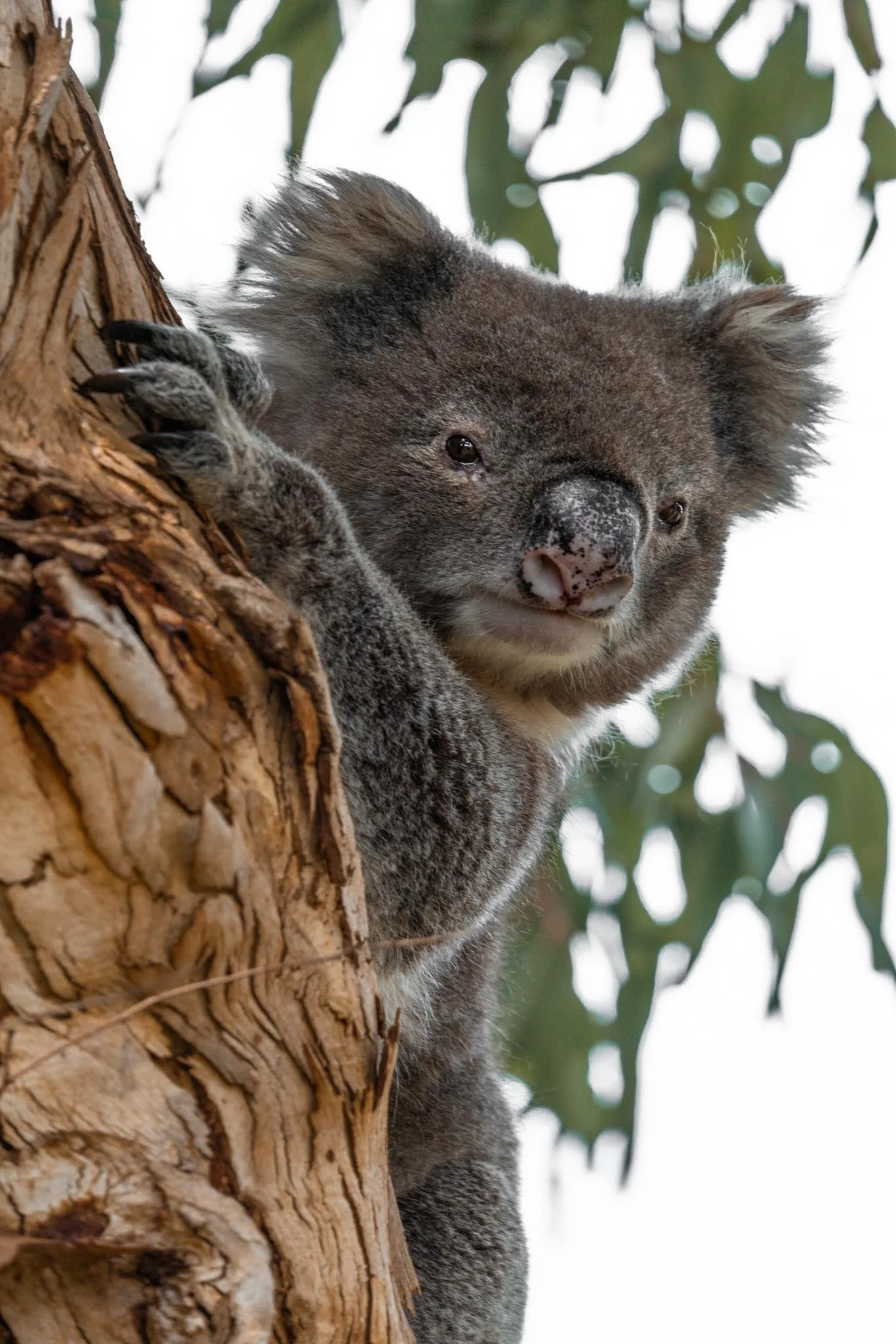
Koalas everywhere!
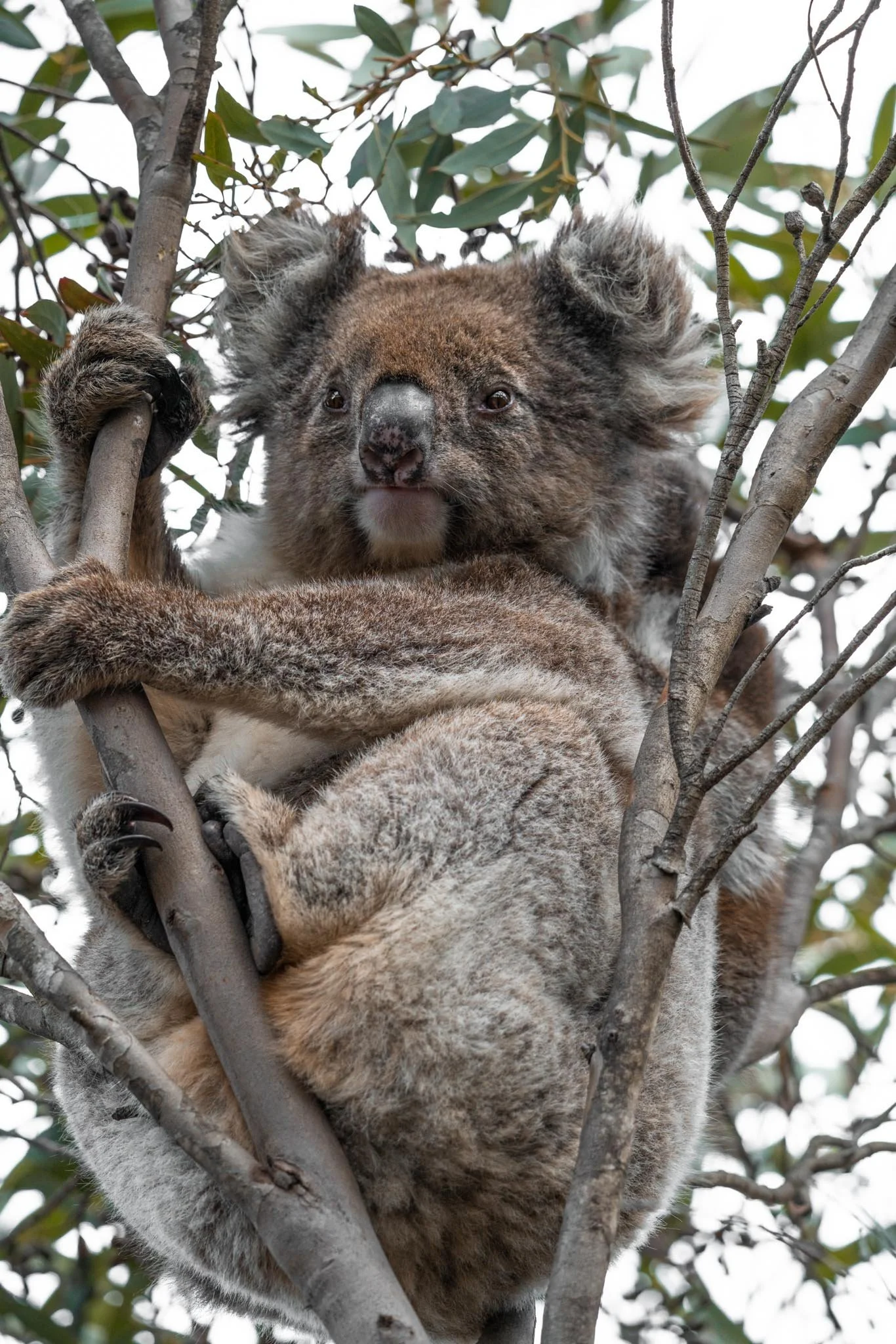
Living in South East Queensland, I have become accustomed to how difficult it can be to spot a wild koala. Despite living in a part of Australia where they should be found, seeing one in the wild can feel like a rare and exciting event.
Kangaroo Island was a completely different story.
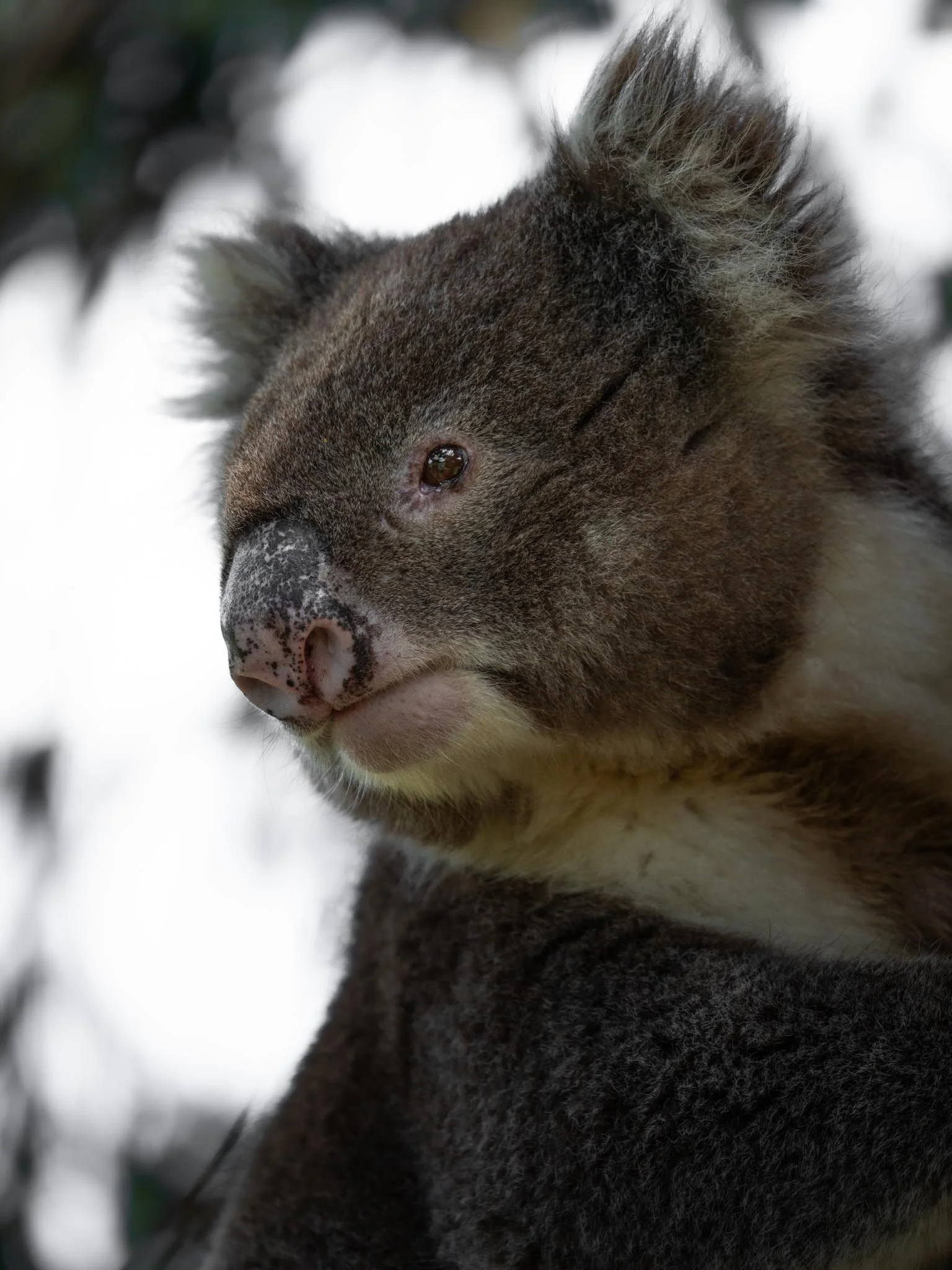
Koalas seemed to be everywhere!
Spotting them tucked into the branches of eucalyptus trees became a regular occurrence, and I loved being able to see so many of them in their natural habitat.
It's easy to take familiar Australian wildlife for granted, particularly when you grow up seeing kangaroos, koalas and other native animals on signs, souvenirs and postcards. But actually encountering them in the wild is something entirely different.
And when you're a wildlife photographer, you can probably imagine how much time I spent looking up into the trees!
Into great white shark territory
My favourite day of the trip was spent out on a boat exploring Kangaroo Island's coastline.
Before we set off, we received a safety briefing about what to do if we were in the water and encountered a great white shark. With the island's seal colonies attracting these apex predators, great whites are a very real consideration in the area.
Nothing quite gets your heart pumping like being reminded that you're heading into the territory of the king of sharks!
For someone who loves sharks and spends as much time in the ocean as possible, the thought was both thrilling and a little nerve-racking.
We spent the day exploring the coastline, learning about the incredible rock formations and looking out for endangered sea eagle nests. The landscape was spectacular, with rugged cliffs, dramatic ocean views and the kind of wild coastline that makes you feel very small in the best possible way.
Then came one of the highlights of the entire trip.
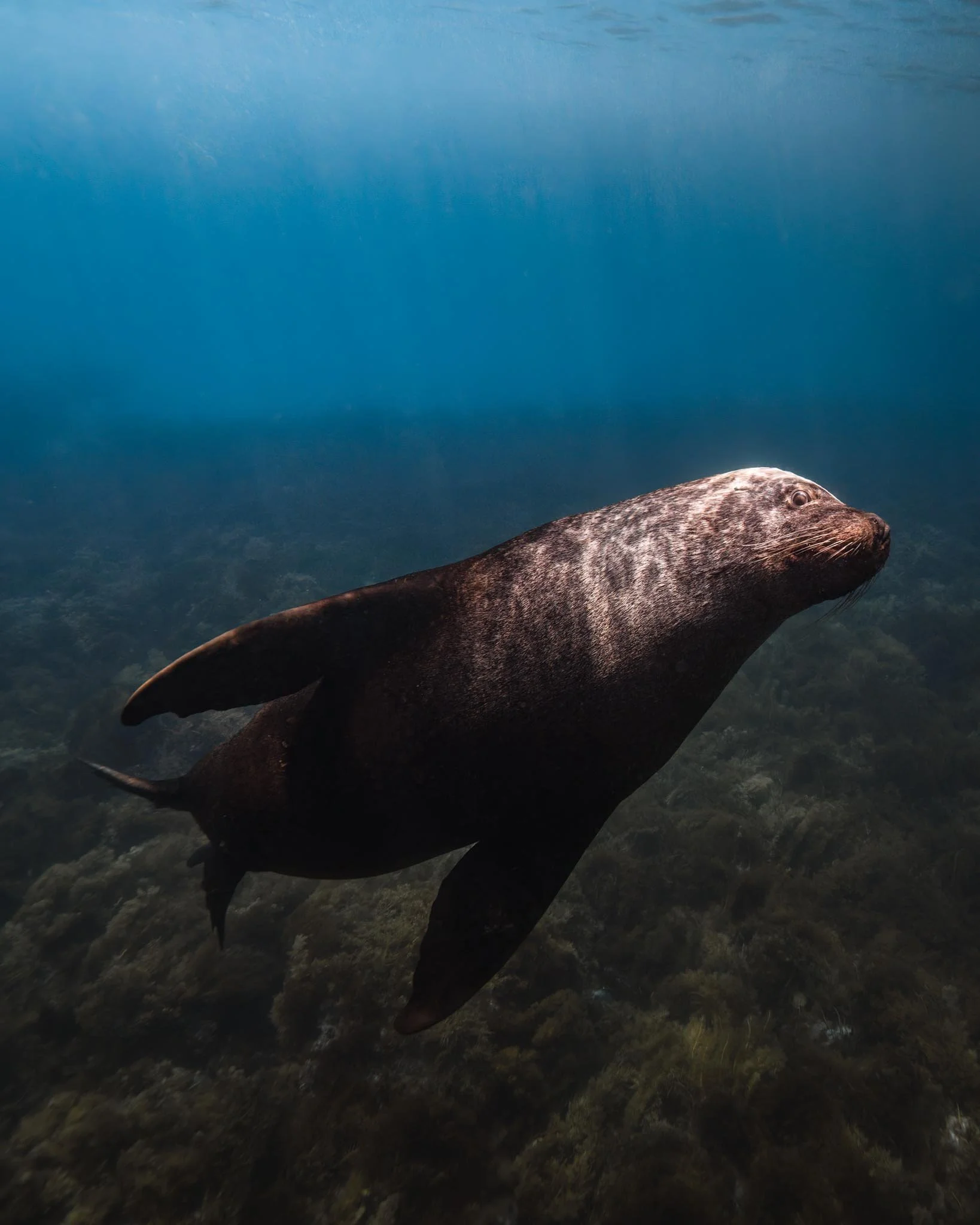
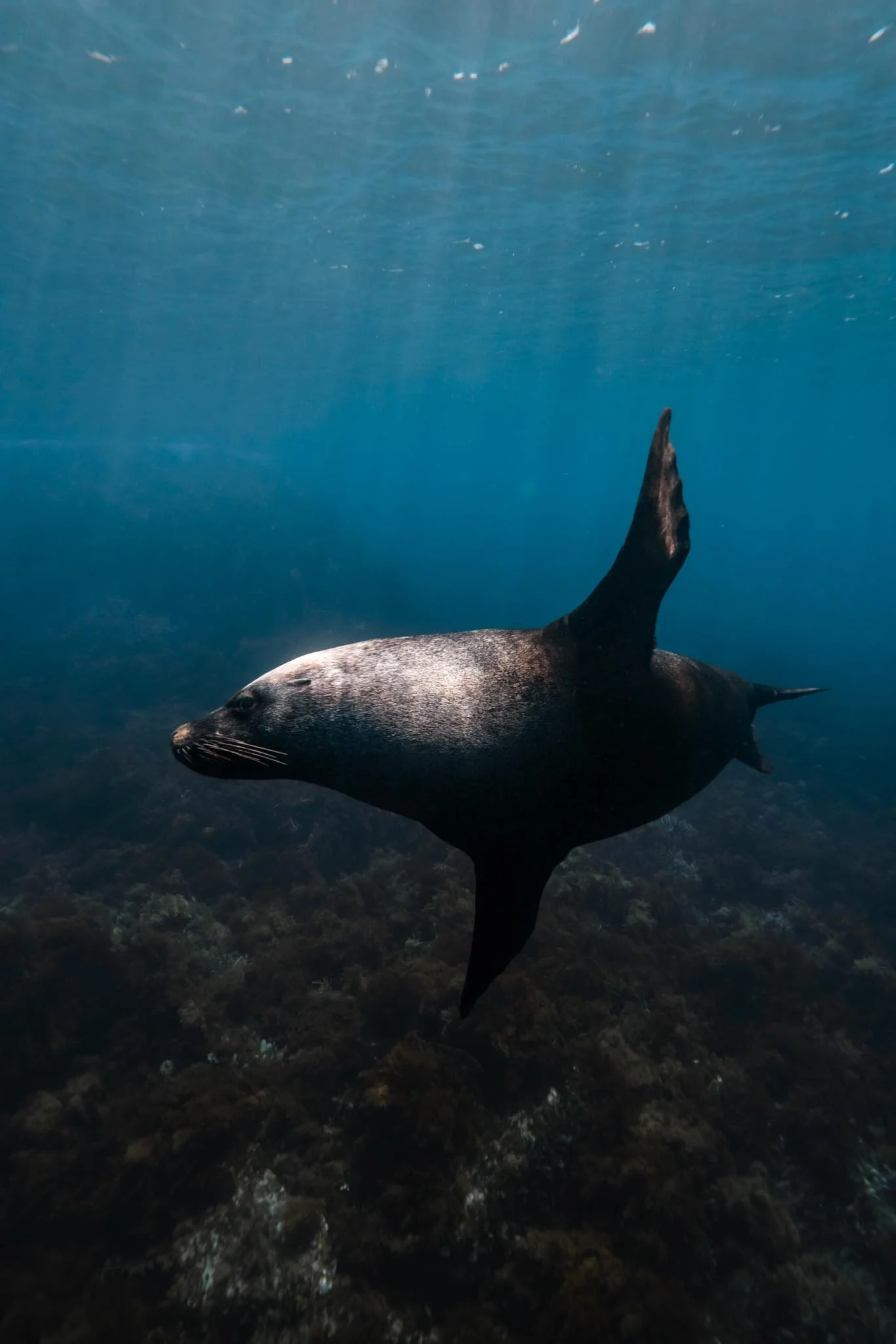
We were lucky enough to get into the water and briefly share it with an Australian sea lion.
It was my first time sharing the water with a seal, and I absolutely loved it.
Sea lions are incredibly agile underwater, moving with an ease and grace that makes you realise just how perfectly adapted they are to their environment. They twist, turn and accelerate through the water as though gravity simply doesn't apply to them.
And then there are the eyes.
Sea lions are wonderfully curious, and this one seemed quite happy to maintain prolonged eye contact with us. It was fascinating, although after a while I did start wondering whether it was simply curious about us or silently deciding it didn't like us very much!
Either way, I was completely captivated.
Naturally, we got a little excited and began following the sea lion as it swam further out. We were keeping the boat on the outside of us for safety, but in our enthusiasm, we weren't paying quite enough attention to where we were heading.
Our boat driver soon called us back.
We were swimming towards a drop-off, an ideal area for great white sharks to hunt around the coastline.
That was enough to bring us back to reality pretty quickly!
As much as I love being in the water with wildlife, these experiences are a reminder that we are visitors in their environment. It's important to listen to the people who know the area, understand the risks and respect the boundaries that keep everyone safe.
We climbed back into the boat and continued our day with a very healthy appreciation for our surroundings.
It was an incredible encounter, and one I won't forget anytime soon.
A place that stays with you
Sadly, that was our final day on Kangaroo Island.
After returning to shore, we headed back to our accommodation to shower, warm up and quickly pack our bags before making our way off the island.
It felt far too soon to leave.
Kangaroo Island had given us so many incredible experiences: golden sunrises, rugged coastlines, curious sea lions, playful dolphin encounters, koalas in the trees and echidnas wandering through the landscape.
But what stayed with me just as much as the wildlife was the island itself.
There was something special about its wildness. The weather could be unpredictable, the ocean could be unforgiving, and the roads demanded patience because there was so much life around us. Nothing felt overly polished or removed from nature. It was a place that reminded you that the natural world doesn't operate on our schedules, and that sometimes the best experiences come when you're willing to adapt and simply appreciate what's in front of you.
The stories of the algal bloom and the 2019 bushfires also gave the trip a deeper meaning. Kangaroo Island is beautiful, but it is not untouched by the environmental challenges facing the rest of the world. Its wildlife depends on healthy ecosystems, and those ecosystems can be incredibly vulnerable.
Seeing both the devastation and the resilience made me appreciate the island even more.
Photography has always been a way for me to connect with the natural world, but experiences like this remind me why that connection matters. The more time we spend observing wildlife and learning about the places it calls home, the more we understand what is at stake when those environments are threatened.
And the more we have to lose if we don't protect them.
Kangaroo Island is a place I know I will return to. There is still so much more to explore, so much more wildlife to encounter and so many more moments of golden light to chase along its rugged coastline.
For now, I'll be holding onto the memories, the photographs and the feeling of being somewhere that still feels wonderfully, unapologetically wild.
Until next time, Kangaroo Island.