
Heron Island: Beauty, Survival, and the Unexpected
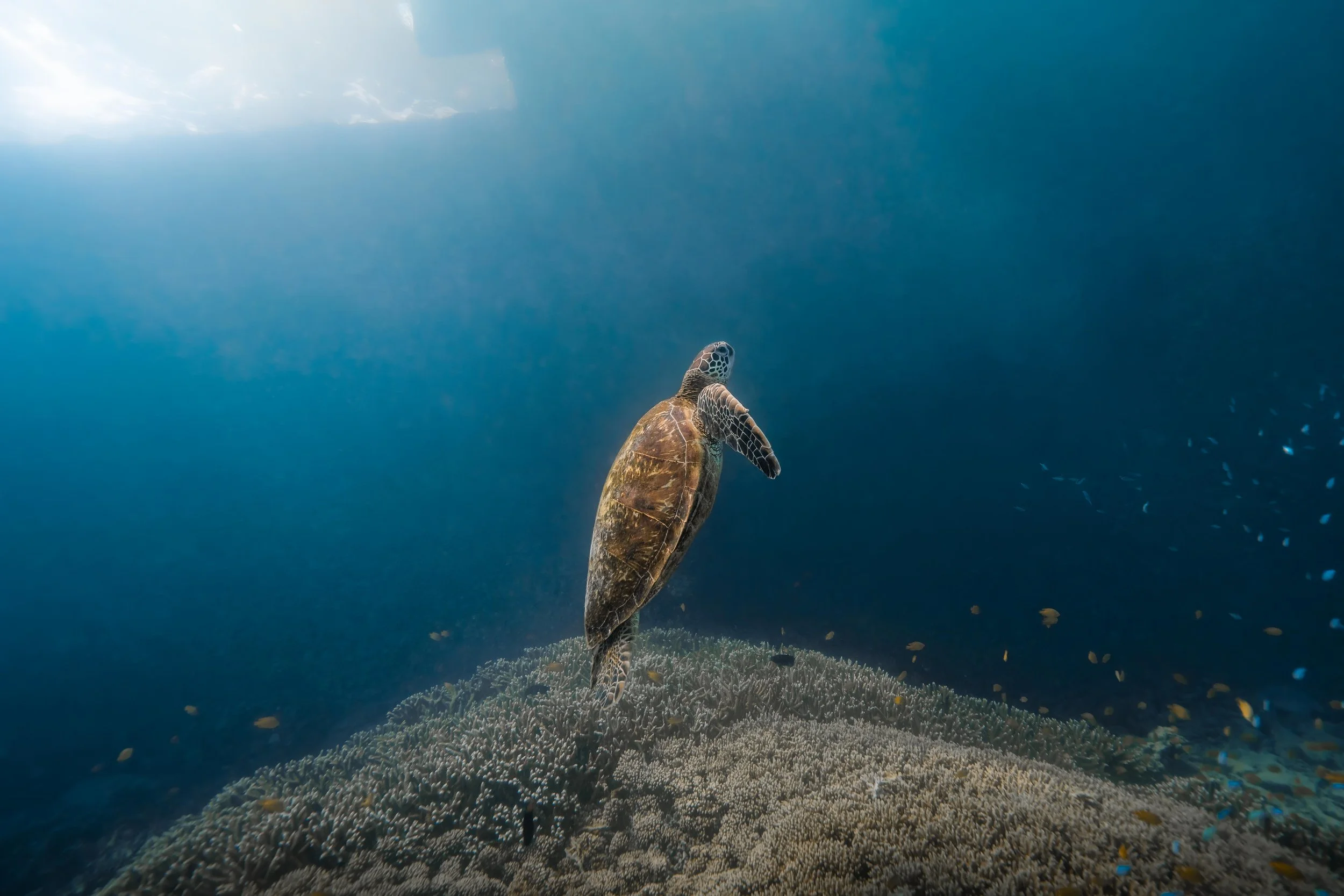
“Into the Light” photography print now available!
I recently spent five unforgettable nights on Heron Island, drawn there for one of nature’s most incredible events; turtle hatching season. What I experienced was equal parts awe-inspiring, confronting, and deeply human.
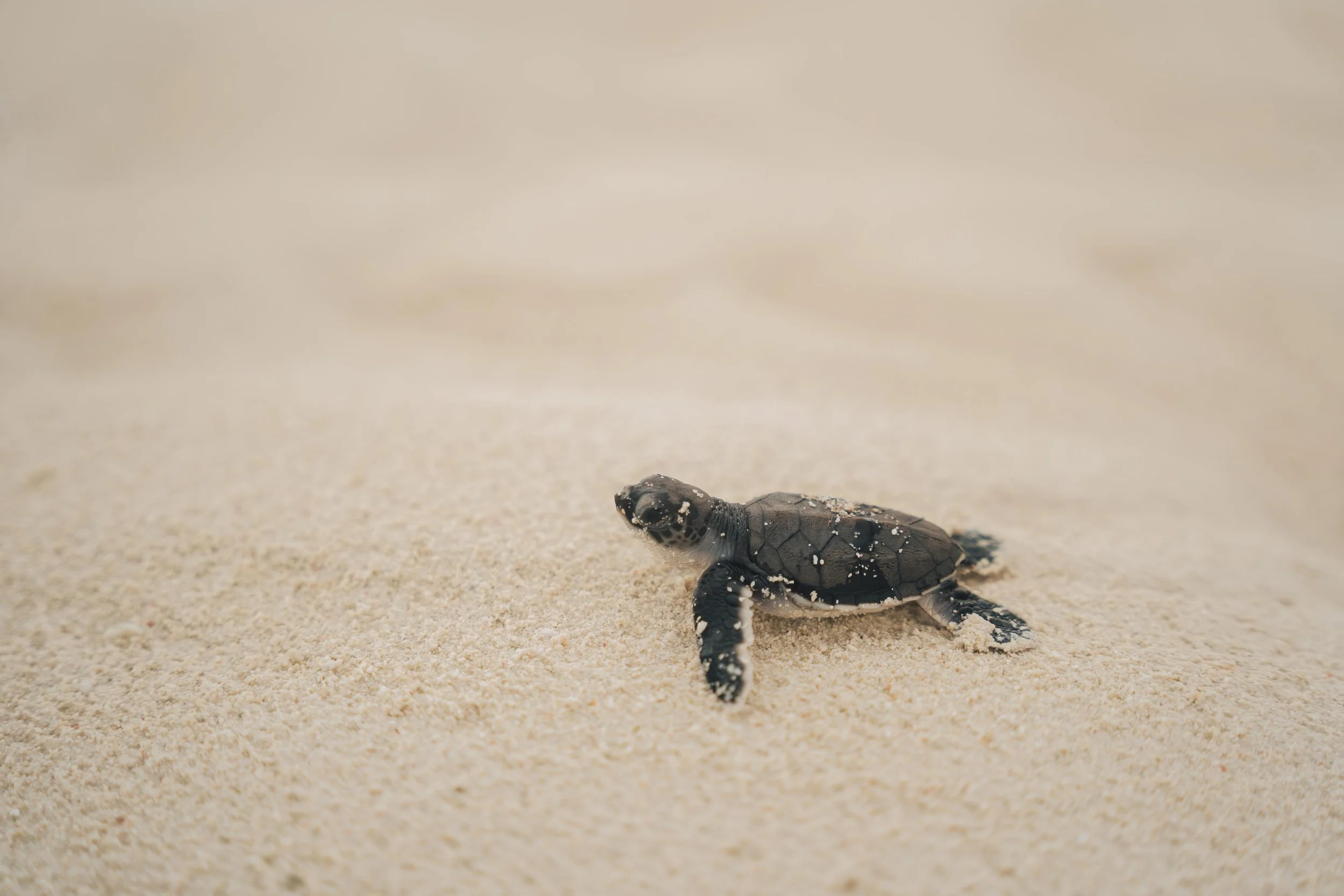
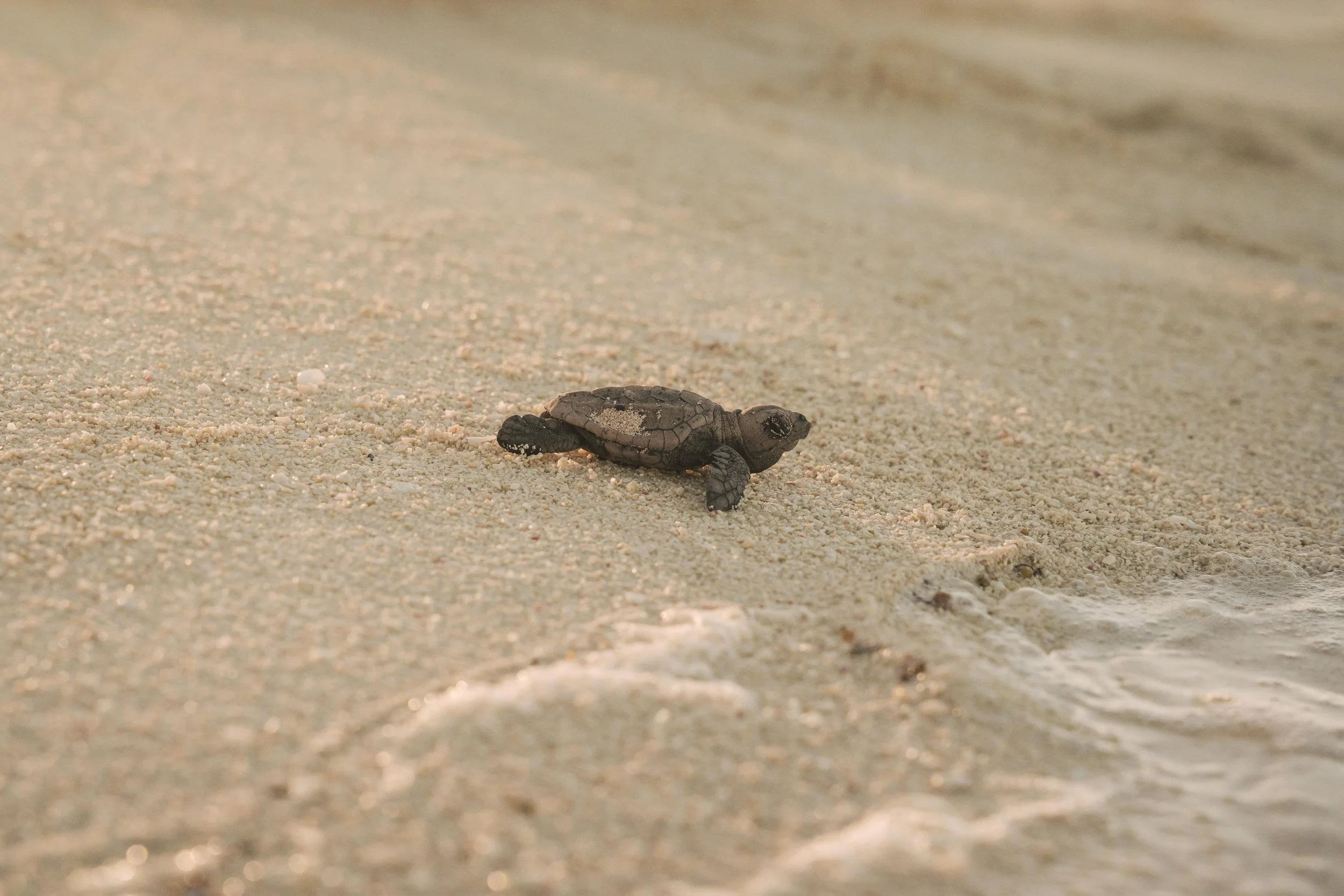
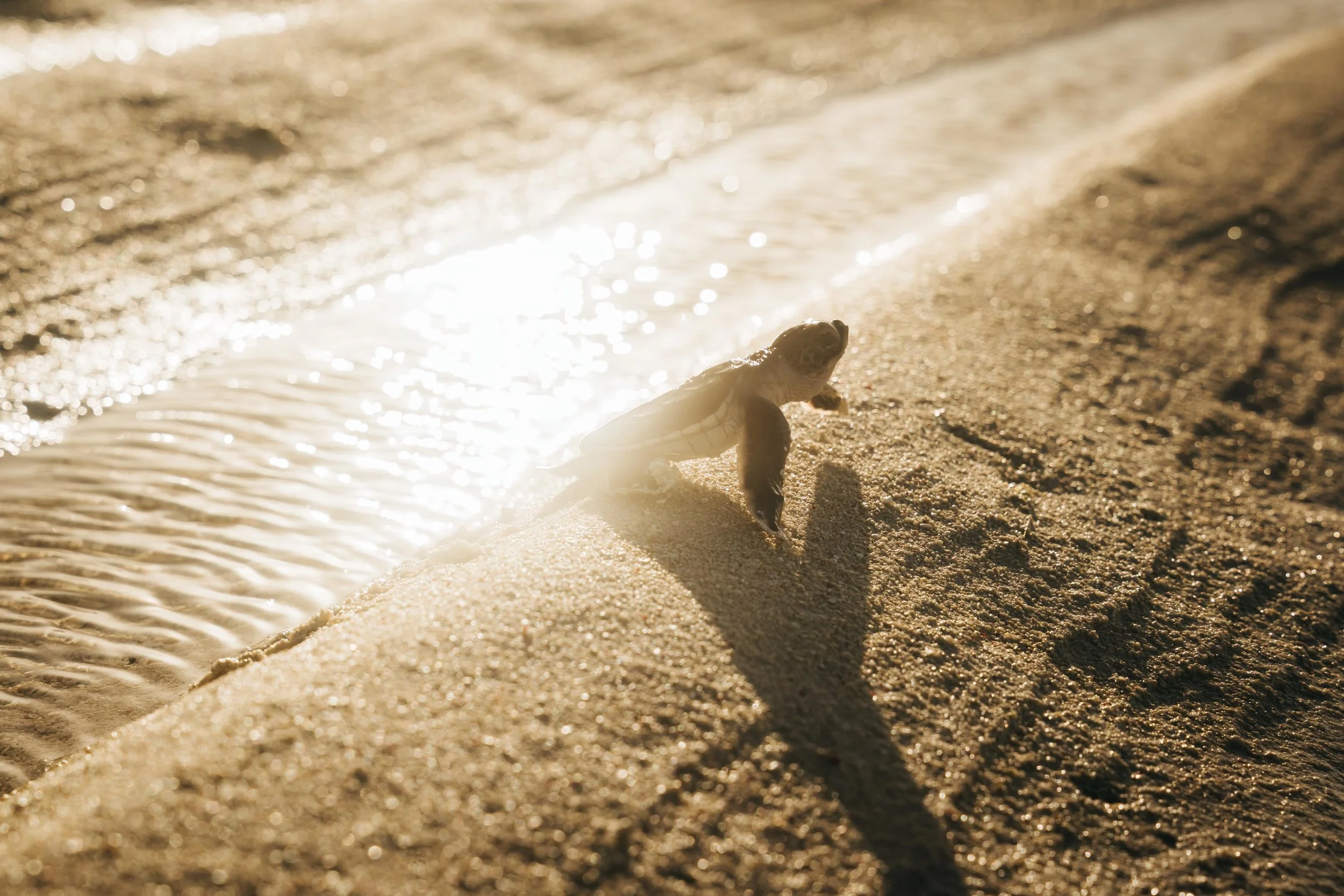
Every evening, we gathered on the beach to watch tiny hatchlings emerge from the sand and begin their instinctive journey to the ocean. Green turtles were the most common, but we were incredibly lucky to also witness loggerhead hatchlings, a rarer sight on the island.
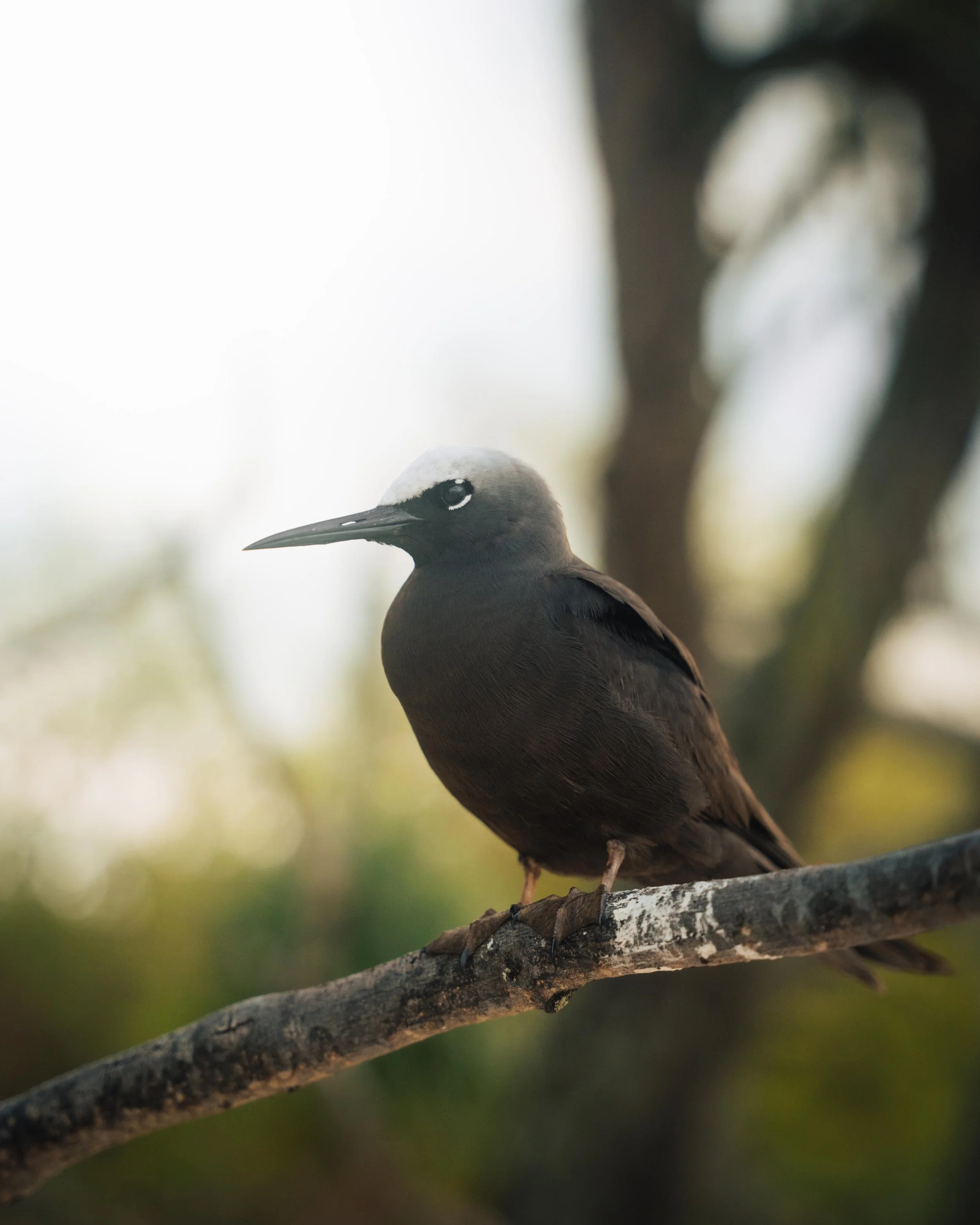
It wasn’t an easy journey for them. The skies above were constantly patrolled by birds, and the shallows below hid sharks and rays waiting for an opportunity. We saw it all, hatchlings being taken, frantic dashes for survival, and moments where we found ourselves chasing off seagulls in a desperate attempt to give them a fighting chance. It was raw, confronting, and beautiful all at once. For every loss, there was also survival. And those small victories felt enormous.
But alongside these incredible moments, we also heard stories that were deeply upsetting.
Other guests we met shared incidents of children mishandling turtle hatchlings, throwing them over the pool fence onto the sand, or holding them underwater while photos were taken. Whether intentional or not, these actions can and sometimes were fatal for such fragile animals.
It was a stark reminder that while we come to places like this to experience nature, there’s a responsibility that comes with it. Wildlife isn’t here for our entertainment. These hatchlings are fighting for survival from the moment they’re born, and human interference, even when it seems harmless, can tip the balance the wrong way.
Moments like that highlight how important it is to teach respect for wildlife from a young age. We share this planet with these animals, and experiences like Heron Island should be about witnessing, not interfering.
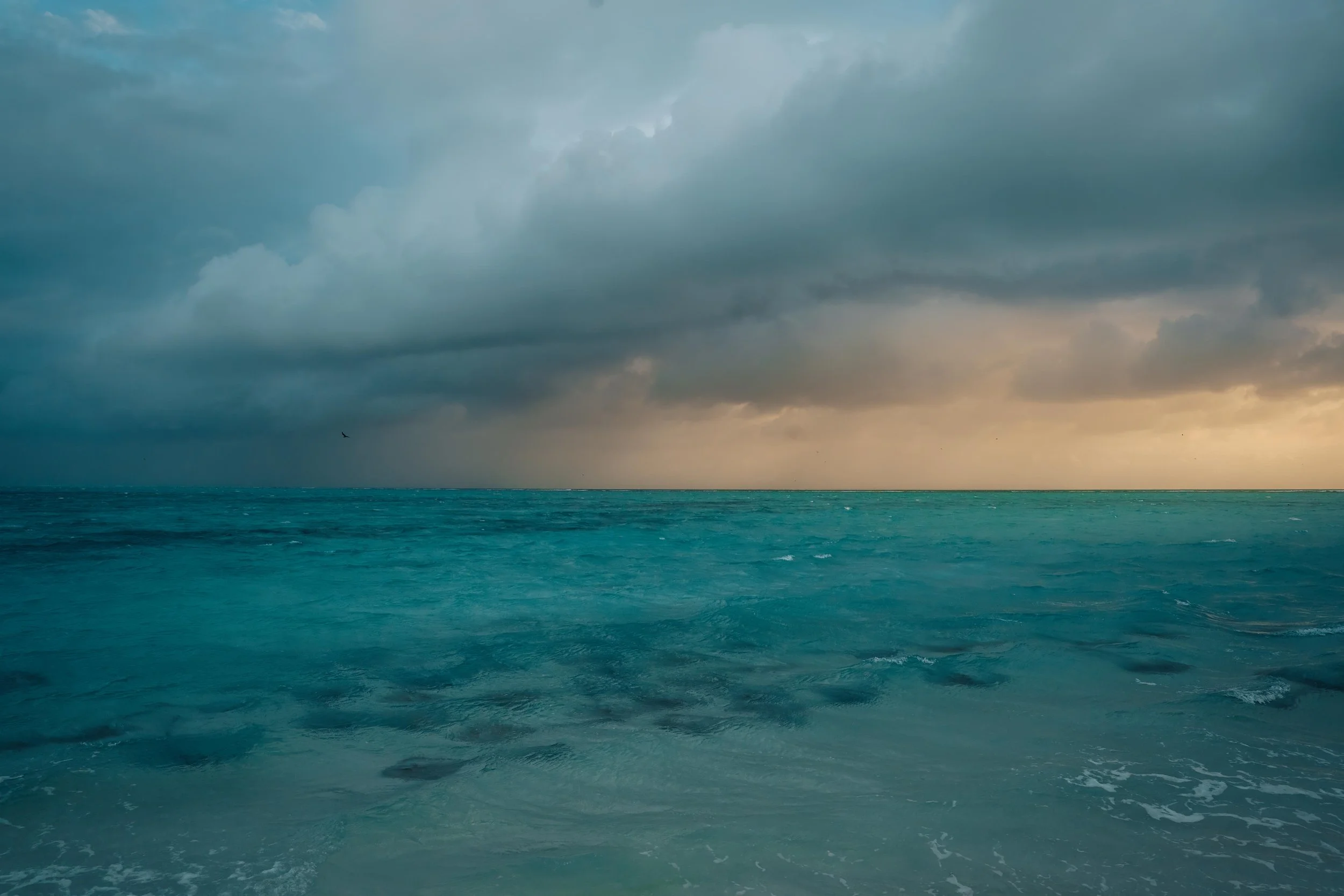
While the evenings were filled with life on land, the ocean had other plans for us at first. The weather was rough, and for the first two days, conditions kept us completely out of the water. It wasn’t until the third morning that things finally calmed enough for a sunrise swim.
We set out early, swimming past the shipwreck that sits in the channel just off the island, a familiar landmark for anyone who’s been there. We were over 200 metres from shore when everything changed.
We heard screaming.
One of the women in our group had a medical emergency in the water which we later discovered was a heart attack.
What followed was chaotic, frightening, and surreal. The conditions had worsened in the short time we’d been out, and we had to work together quickly. We managed to get her onto the shipwreck (which had partially collapsed just a week or two earlier) making it unstable and dangerous. Every movement we had to be careful.
The decision was made for me to swim back to shore to raise the alarm.
It was, without question, the hardest swim of my life.
I was fighting against the current, waves crashing into me, water constantly flooding my snorkel. I had to keep stopping to clear it, even though every second mattered. I kept expecting adrenaline to kick in and carry me through, but it didn’t. It was just sheer determination.
Over halfway back, I spotted a couple swimming out from the jetty. Somehow, I managed to get their attention and call out. I told them what had happened and asked them to turn back and get help. They immediately did and I turned around and swam back out to rejoin the group.
Despite the chaos, I stayed calm. Being a vet nurse, I’m used to high-pressure situations, and that experience grounded me in a moment where panic could have taken over.
We had gone out before any of the island staff were awake, so it took several long minutes before help arrived. When they did, we worked together to get her onto a stretcher and swim her over to the boat.
She was airlifted off the island later that day.
It’s not something you ever expect to experience, especially not on your first swim of a trip like this. It shook all of us. The mood shifted instantly, and for a while, it was hard to think about anything else.
But slowly, we found our way back to why we were there.
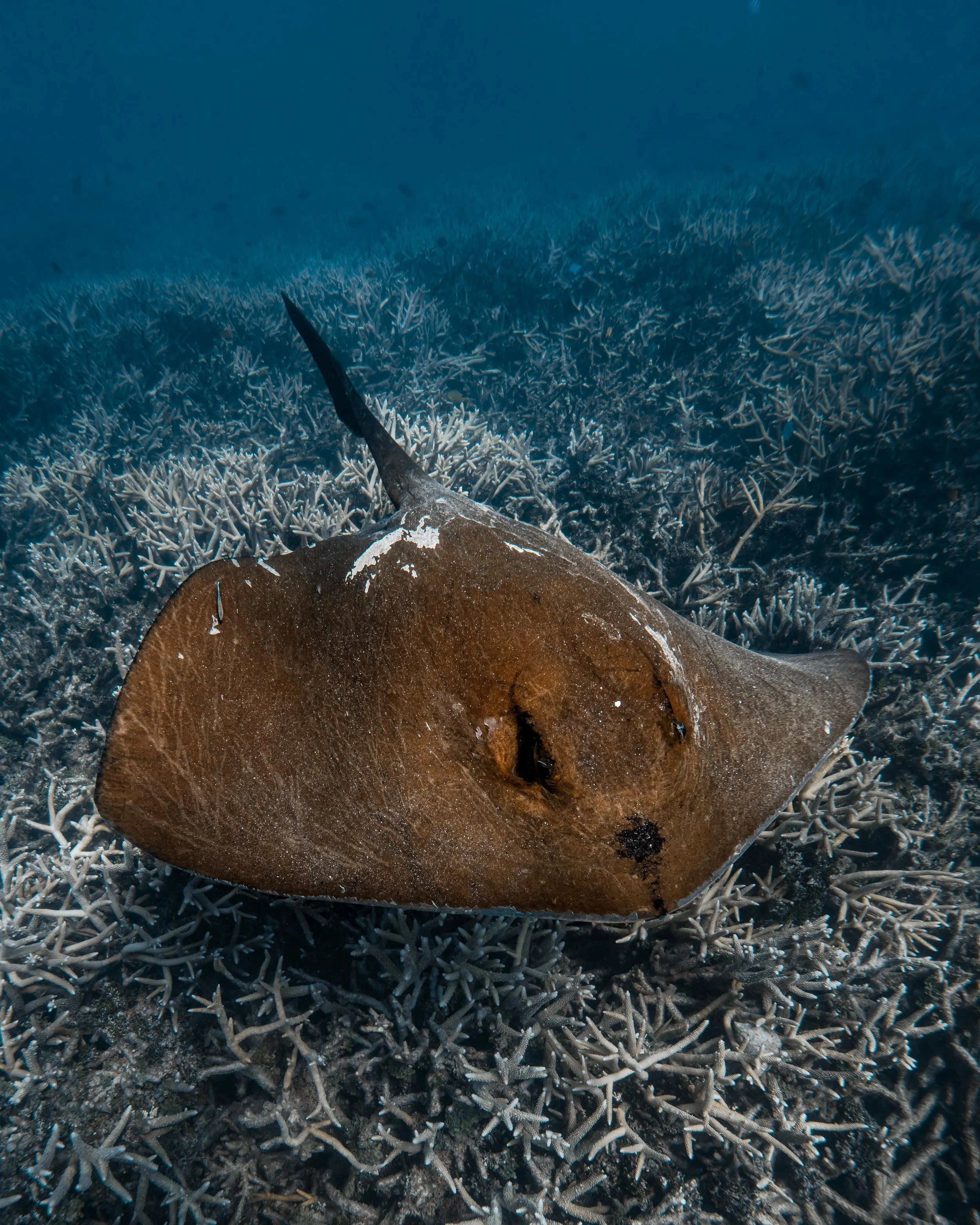
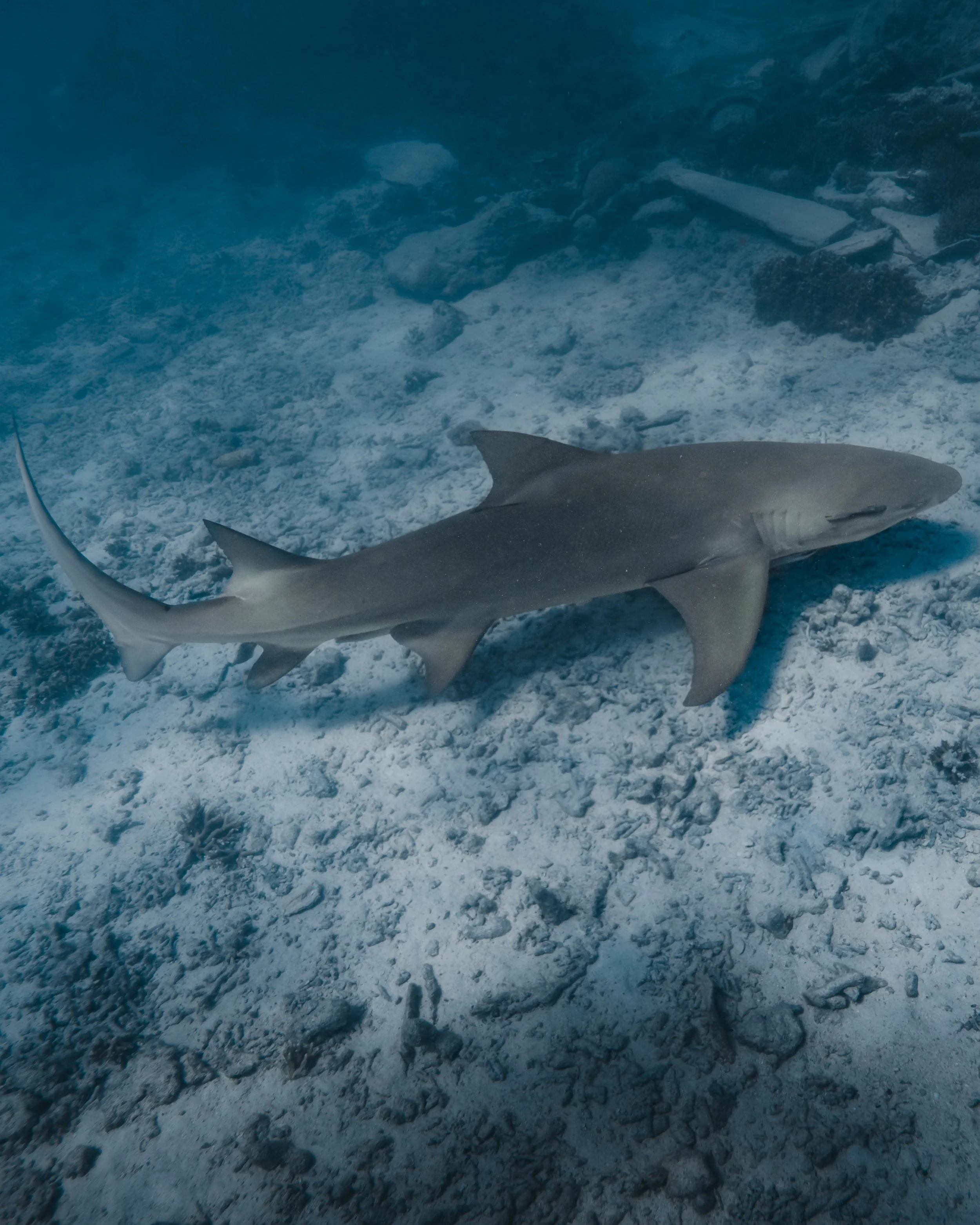
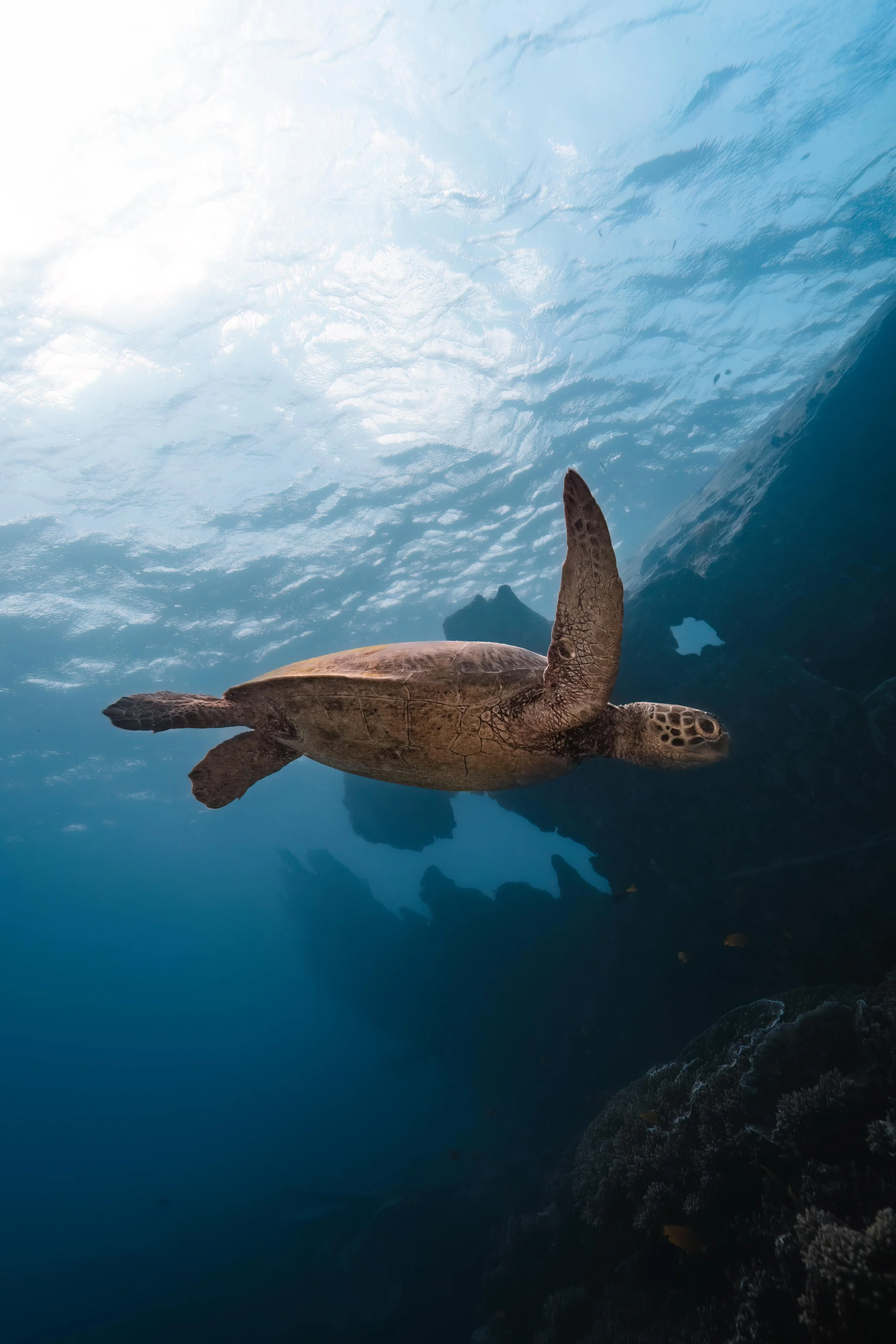
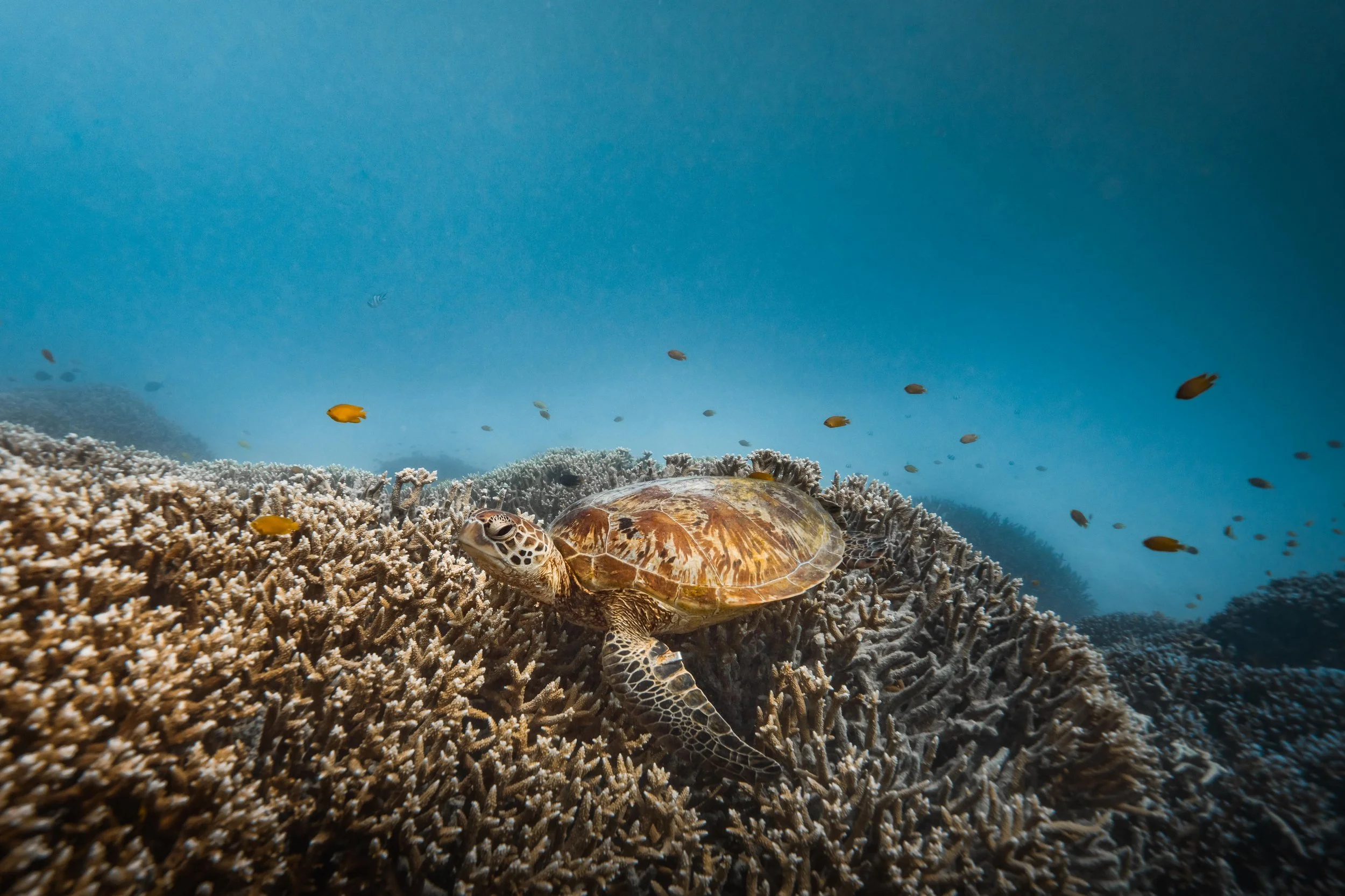
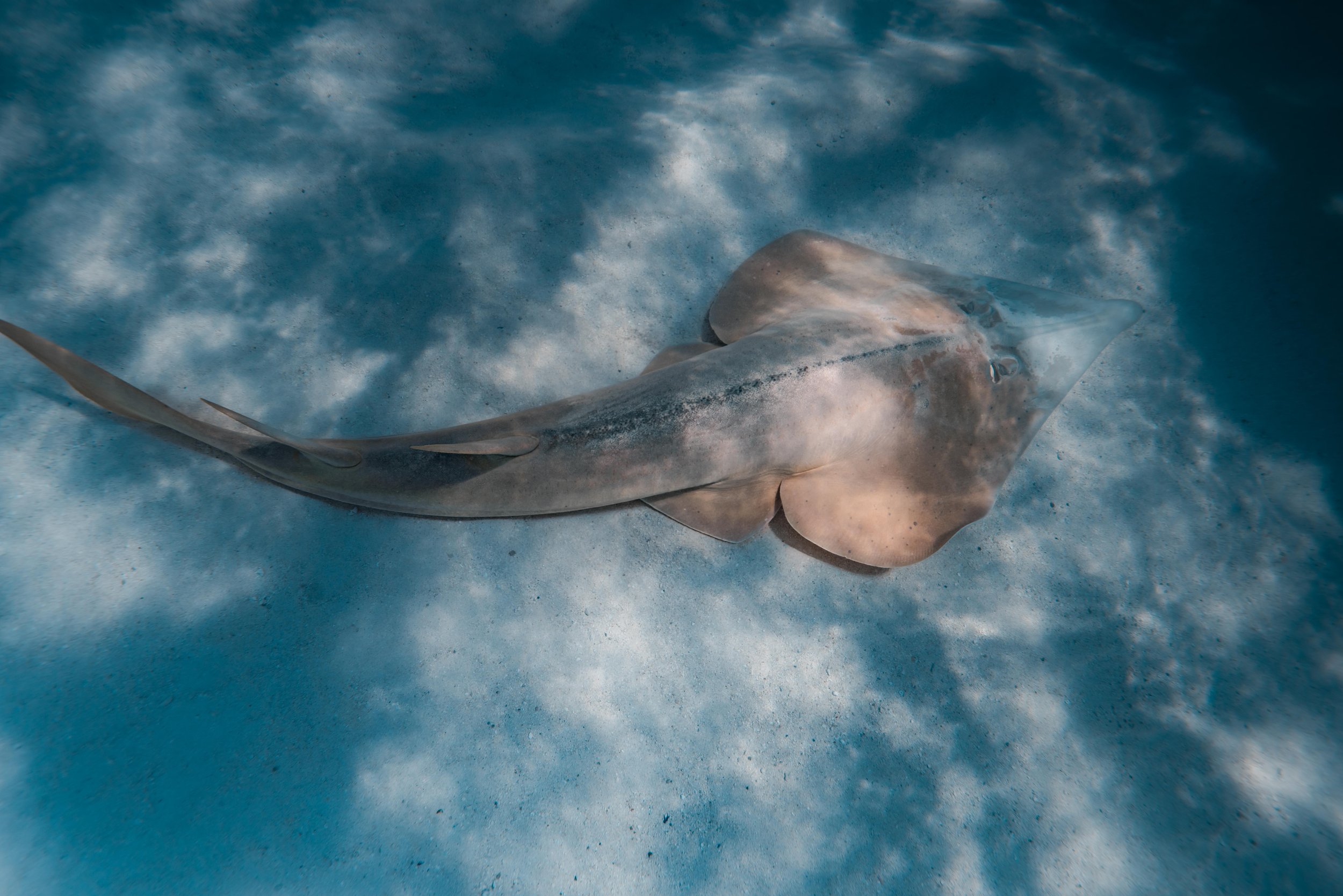
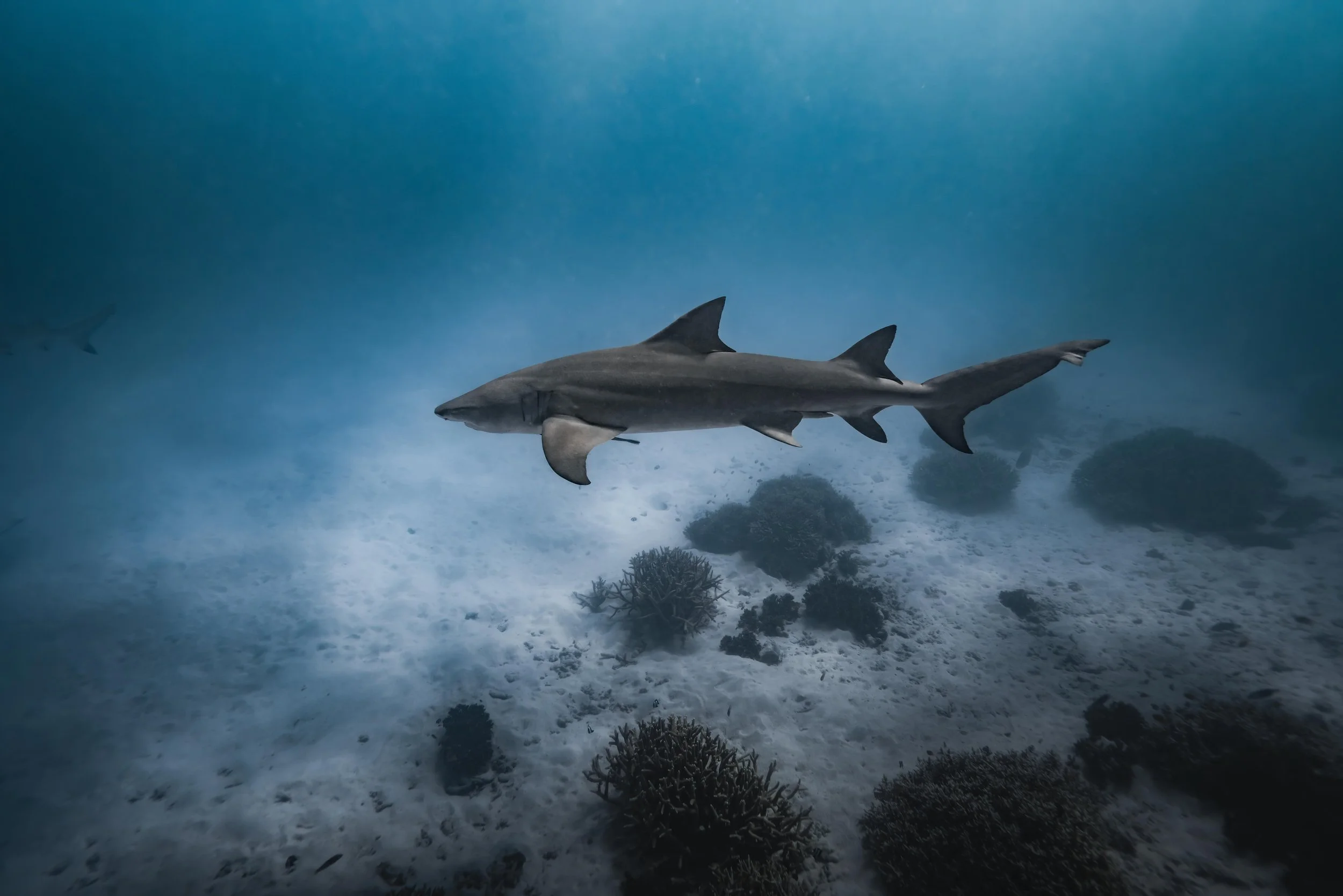
We continued exploring the reef, getting back into the water in the days that followed. And Heron Island reminded us of its magic. We snorkelled alongside countless rays, turtles gliding effortlessly beneath us, and lemon sharks cruising through the blue.
One moment that still haunts me (in the best and worst way), I narrowly missed photographing a four-metre tiger shark as it swam past me. I only saw it after it had already past me. I’m still kicking myself for that one.
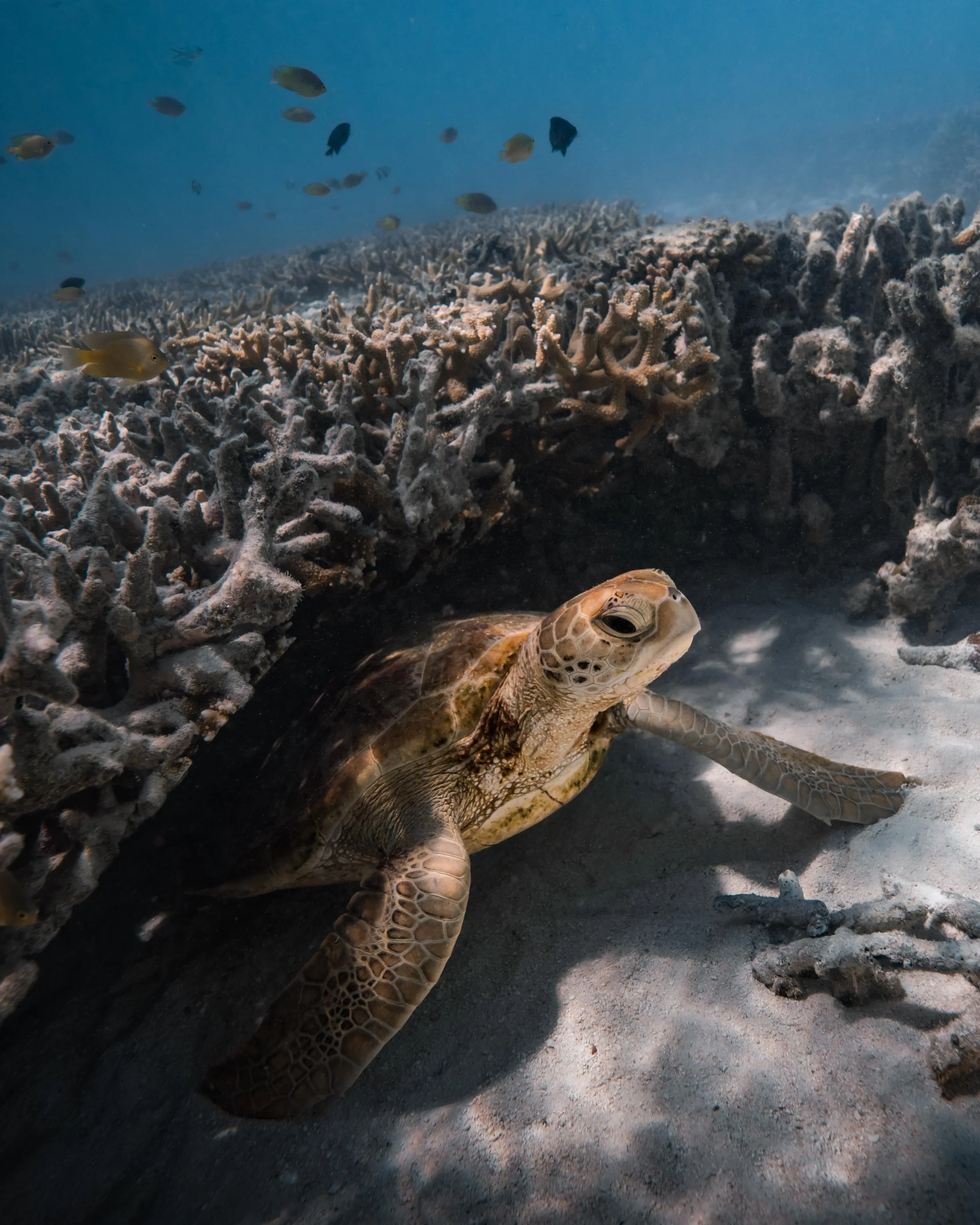
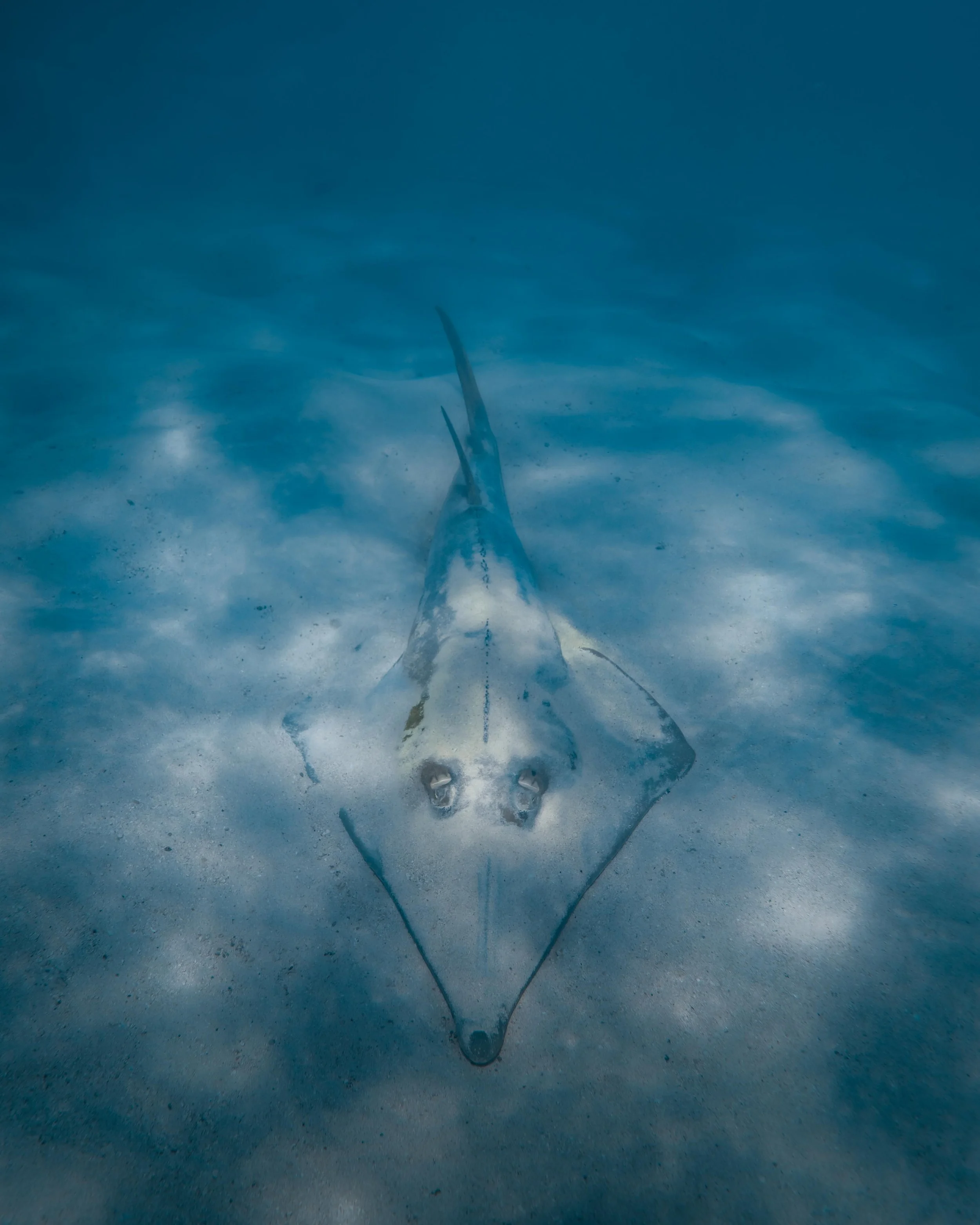
And it also made me reflect on something else, the gap between expectation and reality.
So often, the images we see of places like Heron Island are perfect. Crystal-clear water, effortless encounters with wildlife, those once-in-a-lifetime shots that look almost unreal. But the truth is, nature doesn’t perform on cue. Conditions change, visibility drops, wildlife comes and goes on its own terms.
There were moments on this trip where the water wasn’t clear, where the weather didn’t cooperate, where the experiences didn’t match the “hero shots” we so often see online, especially when it comes to underwater photography.
But that’s the point.
Nature is unpredictable. It doesn’t owe us perfect conditions or curated experiences. And while that can be frustrating in the moment, it’s also what makes encounters feel real and earned.
This trip wasn’t just about turtle hatchings or reef adventures. It was a powerful reminder of how unpredictable nature can be, both in its beauty and its danger. It also reinforced something just as important: our role in protecting it, and respecting it for what it is, not what we expect it to be.
Heron Island gave me memories I’ll never forget.
Not all of them were easy, but all of them mattered.